

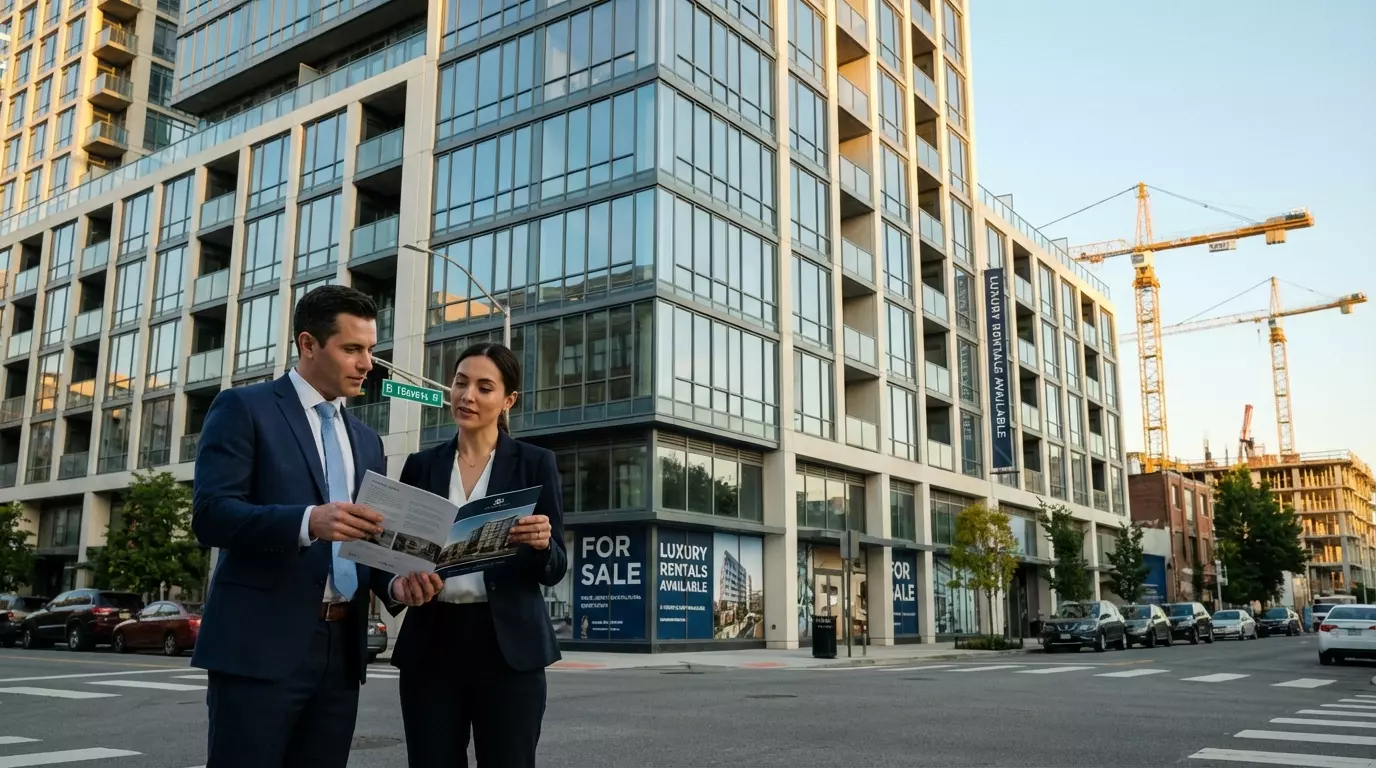
Real Estate Becomes More Expensive: Prices and Rents Set to Rise in 2026
The housing market continues to present challenges for both renters and potential homebuyers as industry experts forecast significant increases in property values and rental costs heading into 2026. Recent market analysis suggests that the upward trajectory in real estate prices shows no signs of slowing down, creating concerns for those already struggling with housing affordability. This trend reflects a complex interplay of economic factors, supply constraints, and demographic shifts that are reshaping the residential property landscape across major markets.
As we look ahead to the coming year, understanding these market dynamics becomes crucial for anyone planning to rent, buy, or invest in real estate. The projected increases aren’t just minor adjustments but represent substantial changes that could affect household budgets and long-term financial planning. This article examines the key factors driving these anticipated price hikes and what they mean for different segments of the housing market.
Why Your Rent Could Jump Next Year
Rental markets are preparing for notable increases as landlords face mounting operational costs and property valuations continue their upward climb. The combination of higher property taxes, increased maintenance expenses, and elevated insurance premiums is pushing property owners to pass these costs along to tenants. Many rental property owners are finding that their margins have thinned considerably over recent years, making rent adjustments necessary to maintain profitability and cover rising expenses associated with property management.
The supply-demand imbalance remains a critical factor in rental price escalation. With construction of new rental units failing to keep pace with population growth and household formation, competition for available properties intensifies. This scarcity gives landlords greater pricing power, particularly in urban centers and desirable suburban locations where rental vacancy rates remain historically low. Young professionals and families entering the rental market are finding fewer affordable options, creating a ripple effect throughout the housing ecosystem.
Market Forces Driving Up Property Values
Several interconnected economic forces are converging to push property values higher across residential real estate markets. Inflation continues to affect construction materials and labor costs, making new development more expensive and limiting the supply of fresh housing inventory. According to economic research from the Bureau of Labor Statistics, construction input costs have risen substantially, creating barriers for developers and ultimately reducing the number of new homes entering the market. This supply constraint naturally elevates prices for existing properties as buyers compete for limited inventory.
Interest rate policies and mortgage market conditions also play pivotal roles in shaping property valuations. While higher borrowing costs typically cool demand, they simultaneously discourage existing homeowners from selling, as many locked in historically low mortgage rates in previous years. This “lock-in effect” reduces housing turnover and keeps inventory tight, supporting higher prices despite affordability challenges. Additionally, real estate continues to attract investors seeking tangible assets and inflation hedges, adding another layer of demand that supports price appreciation across various property types and market segments.
What Experts Predict for 2026 Housing
Industry analysts and real estate professionals are forecasting continued price appreciation throughout 2026, though the rate of increase may vary by region and property type. Market observers expect single-family homes in suburban areas to see particularly strong demand as remote work arrangements remain common and families prioritize space and quality of life. Projections suggest price increases ranging from 4% to 7% in many major metropolitan areas, with some high-growth markets potentially experiencing even steeper appreciation. These forecasts take into account current inventory levels, demographic trends, and economic indicators that historically correlate with housing market performance.
The rental sector faces similar upward pressure, with experts anticipating rent increases of 5% to 8% in many markets by 2026. According to analysis from real estate data providers, the gap between rental demand and available units continues to widen in most urban centers. Multifamily construction, while increasing, still falls short of meeting demand from millennials and Gen Z renters who are delaying homeownership due to affordability constraints and lifestyle preferences. Experts also note that institutional investors have expanded their presence in the rental market, acquiring single-family homes and apartment complexes, which tends to professionalize management but can also lead to more aggressive rent optimization strategies.
How Rising Costs Will Impact Buyers
Prospective homebuyers face a challenging environment as rising prices squeeze affordability across most price points and geographic markets. First-time buyers, in particular, will find themselves needing larger down payments and higher incomes to qualify for mortgages on properties that continue to appreciate faster than wage growth. The traditional path to homeownership becomes increasingly difficult when property values rise 5-7% annually while median household incomes grow at 3-4%. This disparity forces many would-be buyers to either:
- Extend their savings timeline significantly
- Consider properties in less desirable locations or with smaller square footage
- Seek financial assistance from family members
- Postpone homeownership plans indefinitely
The ripple effects of these cost increases extend beyond the immediate transaction. Higher purchase prices mean larger mortgage payments, increased property taxes based on assessed values, and often higher insurance premiums as replacement costs rise. Buyers must also factor in that homes requiring renovation face elevated costs due to expensive materials and labor. Many buyers are discovering that their purchasing power has diminished substantially compared to just a few years ago, forcing difficult compromises between location, size, condition, and budget. Those who manage to enter the market often find themselves “house poor,” with a significant portion of their income dedicated to housing expenses, leaving less for savings, retirement contributions, and discretionary spending.
In Short
The real estate market is positioned for continued price and rent increases heading into 2026, driven by persistent supply constraints, elevated construction costs, and strong underlying demand. Both renters and potential homebuyers should prepare for a challenging environment where affordability remains a central concern. The combination of demographic pressures, economic factors, and structural housing shortages suggests that relief from high prices is unlikely in the near term.
For those navigating this market, careful financial planning and realistic expectations become essential. Renters may need to budget for higher housing costs or consider alternative living arrangements, while prospective buyers should focus on improving their financial position and remaining patient for the right opportunity. While the forecast appears daunting, understanding these market dynamics empowers individuals to make informed decisions about their housing situations and long-term plans.
Frequently Asked Questions
Why are housing prices expected to keep rising in 2026?
Housing prices are projected to continue rising due to limited inventory, high construction costs, strong demand from millennials reaching peak homebuying age, and the lock-in effect where current homeowners with low mortgage rates are reluctant to sell. These factors combine to create more buyers than available homes, pushing prices upward.
How much could my rent increase next year?
Experts predict rent increases of 5% to 8% in many markets by 2026, though specific increases vary by location, property type, and local market conditions. Urban centers with low vacancy rates typically see higher increases than suburban or rural areas with more available rental inventory.
Should I buy now or wait for prices to drop?
This decision depends on your financial situation, local market conditions, and long-term plans. If you’re financially prepared and plan to stay in the home for several years, buying sooner may make sense despite high prices. However, if affordability is stretched, waiting while improving your financial position might be wiser, though prices may continue rising.
What can renters do to prepare for higher costs?
Renters should review their budgets to accommodate potential increases, consider negotiating longer lease terms at current rates, explore different neighborhoods or property types, look into roommate situations, and build emergency savings to cushion against unexpected rent hikes or the need to relocate.
Will interest rates affect housing prices in 2026?
Interest rates significantly impact affordability and buyer demand. If rates decrease, more buyers may enter the market, potentially pushing prices higher. Conversely, if rates rise further, some buyers may be priced out, potentially slowing price growth, though tight inventory would likely still support elevated prices.
Are there any markets where prices might stabilize or decrease?
Some markets with overbuilding, economic challenges, or population outflows may see price stabilization or modest decreases. However, most major metropolitan areas and desirable locations are expected to continue experiencing price appreciation due to fundamental supply-demand imbalances that won’t resolve quickly.



Join The Discussion