

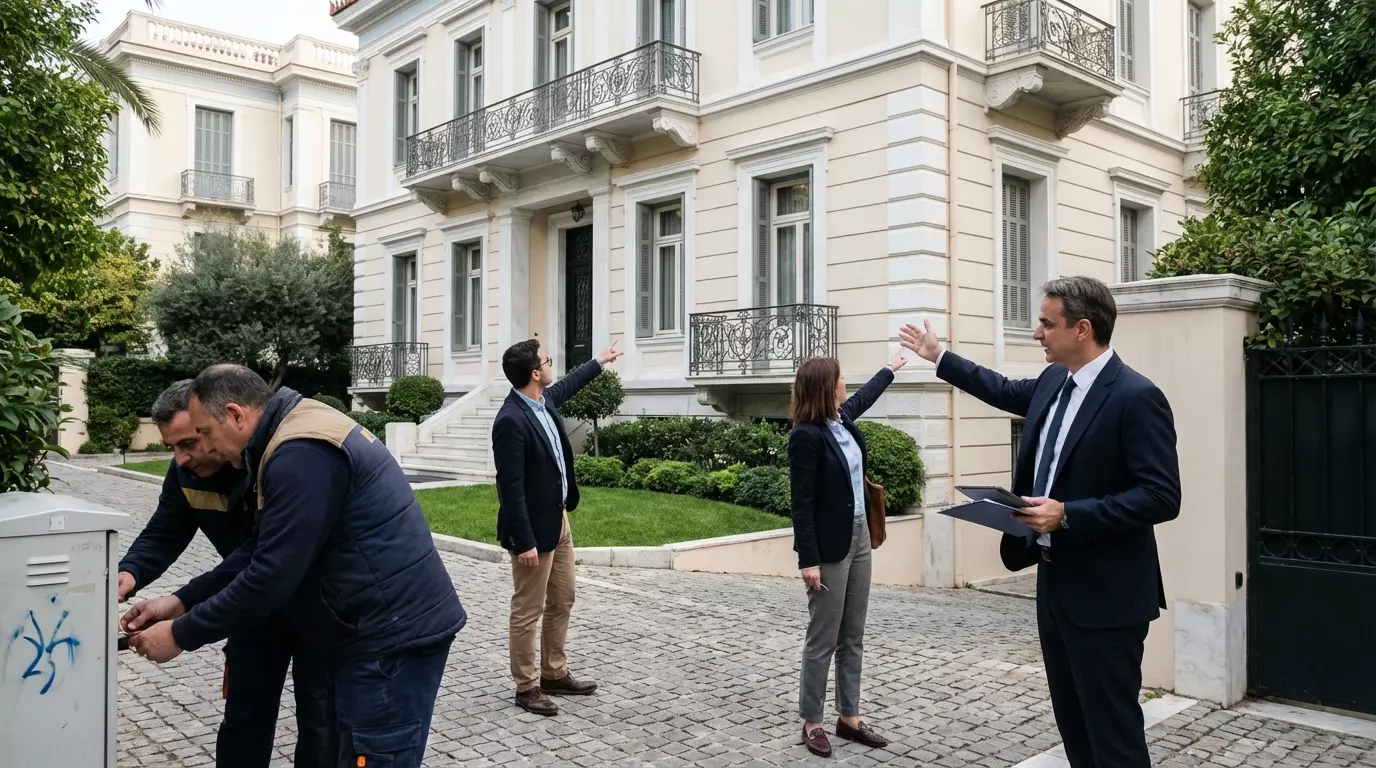
Greece Targets Property Tax Loopholes
Greece is intensifying its efforts to address costly real estate tax exemptions that have significantly impacted state revenues. The Greek government has announced comprehensive measures to tighten controls on property tax breaks, particularly focusing on exemptions that have been exploited or misused over the years. This initiative comes as part of a broader fiscal strategy to enhance revenue collection and ensure fairness in the taxation system across all property owners in the country.
The move represents a significant shift in Greece’s approach to property taxation, following years of lenient enforcement and widespread exemptions. Tax authorities have identified numerous cases where property owners have claimed exemptions without meeting the necessary criteria, resulting in substantial revenue losses for the state. The Ministry of Finance estimates that closing these loopholes could generate millions of euros in additional annual revenue, helping to strengthen the country’s fiscal position and fund essential public services.
Stricter Rules for Real Estate Exemptions
Under the new framework, property owners claiming tax exemptions will face much more rigorous scrutiny and verification processes. The Greek tax authority is implementing advanced cross-checking systems that will compare property declarations against multiple databases, including land registries, utility consumption records, and construction permits. This multi-layered approach aims to identify discrepancies and prevent fraudulent claims that have previously gone undetected due to limited oversight capabilities.
The tightened regulations specifically target several categories of exemptions that have been subject to abuse. These include exemptions for primary residences, agricultural properties, and buildings classified as having historical or cultural significance. Property owners will now be required to provide comprehensive documentation proving their eligibility for exemptions, with random audits conducted throughout the year. Additionally, penalties for false declarations have been substantially increased, serving as a deterrent against attempting to circumvent the system. The government has made it clear that all property owners, regardless of their social or economic status, will be subject to the same stringent verification standards.
Government Moves to Close Tax Breaks
The Greek government’s decision to crack down on property tax exemptions reflects a broader commitment to fiscal responsibility and tax justice. Finance officials have highlighted that while legitimate exemptions serve important social purposes, the widespread misuse of these provisions has created an uneven playing field where some property owners avoid their fair share of taxes. According to OECD data, property tax collection in Greece has historically lagged behind other European nations, partly due to extensive exemption schemes and enforcement challenges.
This initiative is part of Greece’s ongoing efforts to modernize its tax administration and improve compliance rates across all sectors. The government has invested heavily in digital infrastructure and training for tax officials to better identify and investigate suspicious exemption claims. New software systems will automatically flag applications that show inconsistencies or patterns associated with fraudulent behavior. Furthermore, the tax authority is establishing specialized units dedicated exclusively to property tax enforcement, staffed with experts in real estate valuation and legal compliance. These teams will conduct thorough investigations into high-value properties and cases involving multiple exemption claims, ensuring that only those genuinely entitled receive tax relief.
New Measures Aim to Boost Revenue
The implementation of stricter controls on property tax exemptions is expected to generate substantial additional revenue for the Greek treasury. Government projections suggest that eliminating fraudulent exemptions and ensuring proper compliance could yield between 150 to 200 million euros annually. This revenue boost comes at a crucial time as Greece continues to rebuild its economy and manage its debt obligations while investing in infrastructure and social programs.
Beyond the immediate financial benefits, these measures are designed to restore public confidence in the fairness of the tax system. Many Greek citizens have expressed frustration over perceived inequalities in tax enforcement, where some wealthy property owners appear to benefit from exemptions while ordinary taxpayers bear a disproportionate burden. The government has emphasized that the new controls will apply uniformly across all regions and property types, from luxury vacation homes on popular islands to urban apartments in Athens and Thessaloniki. To ensure transparency, the tax authority will publish annual reports detailing the number of exemptions granted, denied, and revoked, along with the financial impact of enforcement actions. Property owners who disagree with decisions regarding their exemption applications will have access to a clear appeals process, ensuring that legitimate cases receive fair consideration while preventing abuse of the system.
The Greek tax authority is also launching an educational campaign to help property owners understand the new requirements and compliance procedures. This includes detailed online resources, helplines, and local assistance centers where taxpayers can receive guidance on documentation requirements. The government recognizes that some exemption claims may have been submitted incorrectly due to confusion rather than intentional fraud, and is providing a grace period for property owners to review and correct their declarations without facing penalties.
Additionally, the new measures include provisions for whistleblower protection and rewards for individuals who report fraudulent exemption claims. This approach, successfully used in other countries according to European Commission reports, encourages civic participation in maintaining tax system integrity. The rewards program offers financial incentives proportional to the amount of unpaid taxes recovered, creating an additional mechanism for identifying violations.
The implementation timeline for these stricter controls has been carefully structured to allow both the tax authority and property owners adequate time for adjustment. Initial phases focus on the most obvious cases of abuse, particularly those involving high-value properties and multiple exemption claims. Subsequent phases will expand to comprehensive reviews of all exemption categories, with full implementation expected within 18 months.
In Short
Greece’s decision to tighten controls on property tax exemptions marks a decisive step toward fiscal reform and tax equity. By implementing rigorous verification processes, investing in modern enforcement technology, and establishing specialized investigation units, the government aims to eliminate widespread abuse of exemption provisions that have cost the state millions in lost revenue. These measures address long-standing concerns about fairness in the tax system while generating much-needed funds for public services and economic development.
The success of this initiative will depend on consistent enforcement, transparent administration, and continued investment in tax authority capabilities. While legitimate exemptions will remain protected, property owners attempting to exploit loopholes will face serious consequences. As Greece continues its economic recovery, ensuring that all taxpayers contribute their fair share represents both a fiscal necessity and a matter of social justice. The government’s commitment to publishing regular reports and maintaining clear appeals processes demonstrates an understanding that effective tax reform requires both strong enforcement and public trust in the system’s fairness.
FAQ
What types of property tax exemptions are being targeted?
The Greek government is focusing on exemptions for primary residences, agricultural properties, and buildings with historical or cultural designations. These categories have shown the highest rates of fraudulent or questionable claims.
When will the new controls take effect?
The implementation is being phased in over 18 months, with initial enforcement focusing on high-value properties and obvious cases of abuse before expanding to comprehensive reviews of all exemption categories.
How much revenue does Greece expect to recover?
Government projections estimate that eliminating fraudulent exemptions and improving compliance could generate between 150 to 200 million euros annually in additional tax revenue.
What documentation will property owners need to provide?
Property owners claiming exemptions must provide comprehensive documentation proving eligibility, including property deeds, residency proof, utility bills, and relevant permits. Specific requirements vary by exemption type.
Are there penalties for incorrect exemption claims?
Yes, penalties for false declarations have been substantially increased. However, the government is offering a grace period for property owners to correct unintentional errors without facing penalties.
Can property owners appeal decisions about their exemptions?
Yes, a clear appeals process is available for property owners who disagree with decisions regarding their exemption applications, ensuring legitimate cases receive fair consideration.



Join The Discussion