

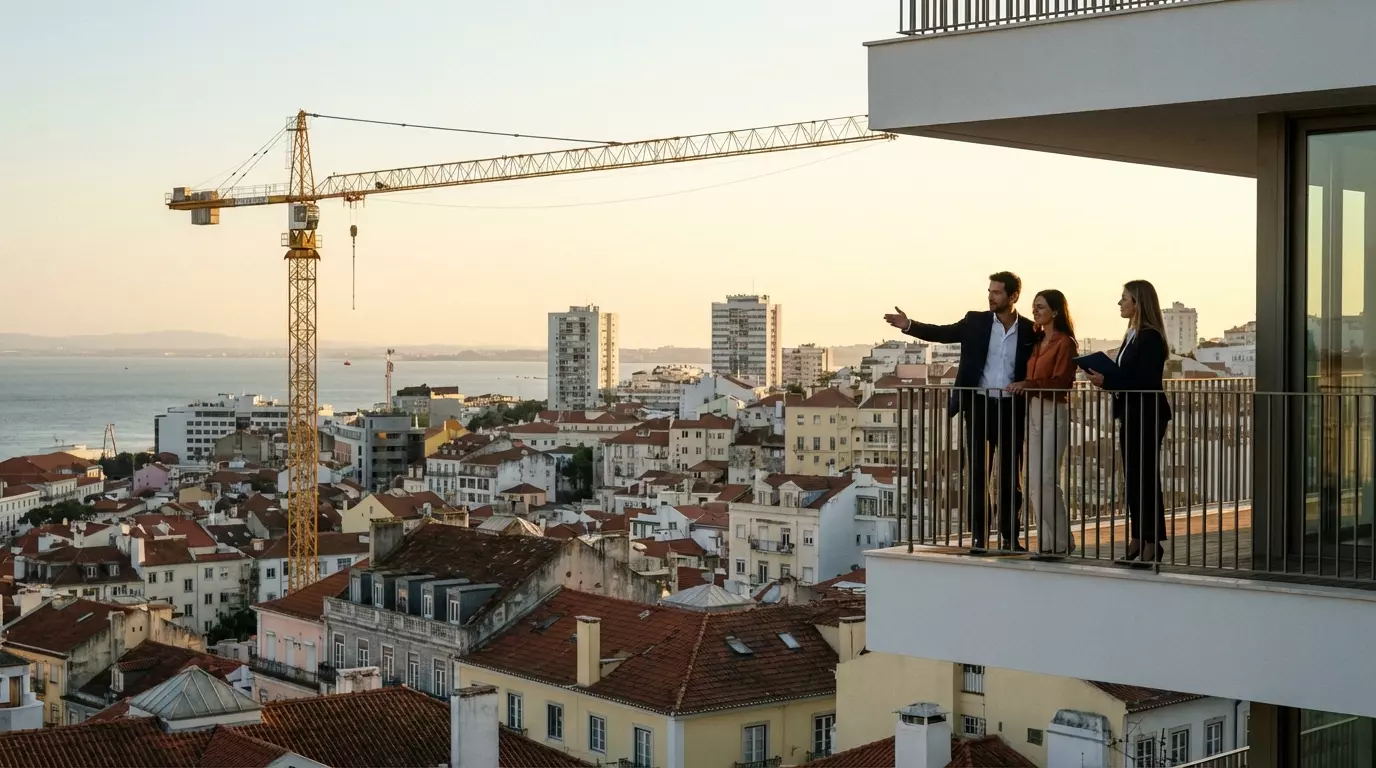
Portugal’s Housing Market Sees Record Growth
The Portuguese property market has experienced unprecedented growth, with house prices soaring by an impressive 20% throughout 2025. This remarkable surge has positioned Portugal as one of Europe’s fastest-growing real estate markets, attracting attention from both domestic and international investors. The dramatic price increase has sparked intense debate about housing affordability and market sustainability across the nation.
According to recent data, this significant price appreciation has affected virtually every region of the country, from the bustling streets of Lisbon to the scenic coastal areas of the Algarve. The explosive growth has created a challenging environment for first-time buyers and renters, while simultaneously rewarding property owners and investors who entered the market in previous years. This trend represents a continuation of the upward trajectory that began several years ago but has accelerated dramatically in the past year.
What’s Driving the 20% Price Surge in 2025?
Multiple factors have converged to create this perfect storm in Portugal’s housing market. The primary driver has been the sustained influx of foreign investment, particularly from buyers seeking residency through property purchases. Digital nomads, remote workers, and retirees from across Europe and beyond have discovered Portugal’s attractive combination of favorable climate, relatively lower cost of living compared to other Western European nations, and excellent quality of life. This international demand has placed enormous pressure on an already limited housing supply.
The shortage of available properties has been exacerbated by strict urban planning regulations and slow construction rates that have failed to keep pace with demand. Additionally, Portugal’s Golden Visa program has historically attracted significant foreign capital, though recent policy changes have attempted to redirect investment away from major urban centers. Low mortgage interest rates, at least in the earlier part of the year, also enabled more buyers to enter the market, further intensifying competition for available properties. Tourism recovery post-pandemic has also played a role, as property owners have increasingly converted residential units into short-term rentals, reducing the overall housing stock available for permanent residents.
Impact on Buyers and Renters Across Portugal
The 20% price increase has created significant challenges for Portuguese citizens, particularly young people and families attempting to purchase their first home. What was already a difficult market has become nearly impossible for many locals, with average salaries failing to keep pace with soaring property values. Cities like Lisbon and Porto have seen the most dramatic effects, where property prices now rival or exceed those in many other major European capitals, despite Portugal’s comparatively lower average income levels.
Renters have faced equally daunting circumstances as the knock-on effects of rising property prices have filtered through to the rental market. Landlords facing higher property costs and mortgage payments have passed these expenses onto tenants, resulting in rental increases that have strained household budgets across the country. Many long-term residents have been forced to relocate to peripheral areas or smaller towns as city centers become increasingly unaffordable. According to housing market research, rental prices in major Portuguese cities have increased by similar proportions to purchase prices, creating a housing crisis that affects both potential buyers and renters alike. This situation has sparked protests and calls for government intervention to protect housing accessibility for Portuguese citizens.
Future Outlook for Portuguese Real Estate Market
Market analysts present mixed predictions about Portugal’s property market trajectory for 2026 and beyond. Some experts suggest that the current growth rate is unsustainable and expect a market correction or at least a significant slowdown in price appreciation. Factors that could contribute to cooling include potential interest rate adjustments, economic uncertainty in key source countries for foreign buyers, and government measures designed to improve housing affordability for residents.
However, others maintain that fundamental demand drivers remain strong, suggesting continued upward pressure on prices, albeit at a more moderate pace. Portugal’s enduring appeal as a destination for international talent, retirees, and investors shows little sign of diminishing. The country’s strategic position within Europe, combined with its political stability and improving infrastructure, continues to attract interest. Government initiatives to increase housing supply through streamlined construction approvals and incentives for affordable housing development may eventually ease pressure, but such measures typically take years to impact market dynamics meaningfully. The Portuguese government has announced various policy interventions, though their effectiveness remains to be seen.
The real estate industry anticipates that regional variations will become more pronounced, with secondary cities and rural areas potentially offering better value propositions than saturated markets like Lisbon and Porto. Areas such as Braga, Coimbra, and interior regions may see increased interest from buyers priced out of primary markets. Investment patterns are also expected to shift, with build-to-rent developments and affordable housing projects potentially becoming more prominent as developers and policymakers respond to the housing crisis.
Key factors to watch in the coming year include:
- Government policy changes regarding short-term rentals and foreign investment
- Interest rate movements by the European Central Bank
- Construction sector activity and new housing supply
- Economic conditions in key source countries for foreign buyers
- Wage growth and purchasing power of Portuguese residents
In Short
Portugal’s 20% house price increase in 2025 represents a watershed moment for the country’s real estate market, highlighting both the nation’s growing international appeal and the serious affordability challenges facing residents. The surge has been driven by sustained foreign investment, limited housing supply, favorable financing conditions, and Portugal’s reputation as an attractive destination for remote workers and retirees. While property owners have benefited substantially from this appreciation, the rapid price growth has created significant hardships for first-time buyers and renters, particularly in major urban centers.
Looking ahead, the market faces a critical juncture. Sustainability questions loom large as prices have outpaced income growth dramatically, raising concerns about long-term market health and social equity. Government interventions aimed at increasing supply and protecting residents’ housing access will be crucial in determining whether the market continues its steep ascent, stabilizes, or experiences a correction. For prospective buyers, investors, and policymakers alike, the coming months will be pivotal in shaping Portugal’s housing landscape for years to come. The balance between maintaining Portugal’s attractiveness to international investment while ensuring housing remains accessible to its citizens will define the success of any policy approach.
Frequently Asked Questions
Why did Portuguese house prices increase by 20% in 2025?
The 20% increase resulted from multiple factors including strong foreign investment, limited housing supply, high demand from remote workers and retirees, tourism recovery, and properties being converted to short-term rentals. These elements combined to create intense competition for available properties.
Which Portuguese regions saw the highest price increases?
While the 20% figure represents a national average, major cities like Lisbon and Porto experienced some of the most dramatic increases. Coastal areas, particularly in the Algarve, also saw significant appreciation, while some interior regions experienced more modest growth.
How has the price surge affected Portuguese residents?
The price increases have made homeownership increasingly difficult for Portuguese citizens, particularly young people and first-time buyers whose salaries haven’t kept pace with property values. Renters have also faced substantial rent increases as landlords pass on higher costs.
Will Portuguese property prices continue to rise in 2026?
Expert opinions vary, with some predicting a market correction or slowdown due to affordability constraints and potential policy interventions, while others expect continued growth at a more moderate pace due to sustained international demand and Portugal’s ongoing appeal.
What is the Portuguese government doing about housing affordability?
The government has announced various measures including restrictions on short-term rentals in certain areas, modifications to investment visa programs, and initiatives to increase affordable housing supply, though the full impact of these policies remains to be seen.
Is now a good time to invest in Portuguese real estate?
This depends on individual circumstances and investment goals. While the market has shown strong growth, the 20% annual increase raises sustainability questions. Potential investors should carefully consider market conditions, their financial situation, and long-term objectives before making decisions.

Join The Discussion