

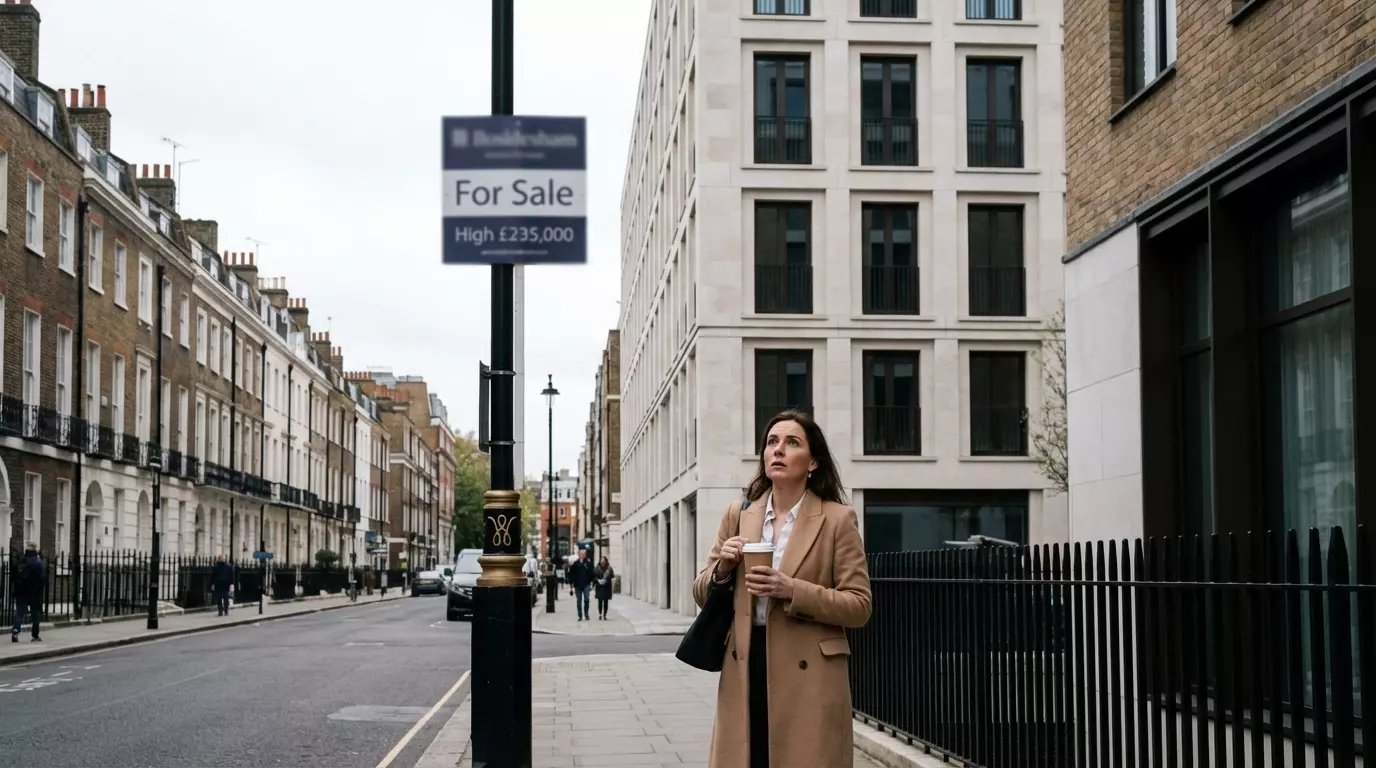
Foreign Investors Own Over 200,000 UK Homes
Recent data has revealed a striking picture of overseas property ownership across the United Kingdom, with foreign investors now controlling more than 200,000 residential properties. This substantial figure highlights the growing international appeal of British real estate and raises important questions about housing accessibility for domestic buyers. The concentration of foreign ownership varies significantly across different regions, with London and the South East bearing the brunt of overseas investment activity.
The scale of international property ownership has become a contentious issue in British housing policy debates. While foreign investment can bring economic benefits and support the construction industry, critics argue that it contributes to housing shortages and affordability challenges for local residents. Understanding the scope and impact of overseas property ownership is crucial for policymakers, property professionals, and prospective homebuyers navigating an increasingly competitive market.
Who Are the Biggest Overseas Property Buyers?
Chinese investors continue to dominate the foreign property ownership landscape in the UK, representing a significant portion of overseas buyers. Their interest spans from high-end luxury apartments in prime central London locations to student accommodation near major universities and buy-to-let properties in regional cities. Hong Kong nationals also feature prominently among foreign buyers, particularly in the wake of recent political changes that have prompted many to seek alternative residences abroad.
Middle Eastern investors, particularly from the United Arab Emirates and Saudi Arabia, maintain a strong presence in the luxury property segment. Other notable investor nations include Singapore, Malaysia, and various European countries, each bringing different investment strategies and property preferences. The British property market attracts these diverse international buyers due to its perceived stability, transparent legal system, and historical price appreciation, despite recent market fluctuations and regulatory changes aimed at cooling foreign investment.
Impact on Local Housing Markets and Prices
The concentration of foreign ownership has created distinct pressure points across UK housing markets, with London experiencing the most pronounced effects. In certain postcodes within prime central London boroughs such as Westminster, Kensington and Chelsea, and Camden, overseas ownership can account for a substantial percentage of residential properties. This concentration has contributed to price inflation that far outpaces local wage growth, effectively pricing out many domestic buyers from these areas.
Beyond the capital, cities with strong universities and economic growth prospects have also seen increased foreign investment activity. Manchester, Birmingham, Liverpool, and Edinburgh have become popular targets for international buy-to-let investors seeking higher yields than those available in saturated London markets. According to housing market research, areas with high foreign ownership often experience reduced housing stock availability for local buyers and renters, creating additional competition and upward pressure on both purchase prices and rental rates. This phenomenon has sparked debates about the need for more restrictive policies on overseas property purchases.
What This Means for First-Time Buyers
First-time buyers face increasingly challenging conditions when competing against well-funded international investors with cash purchasing power. The ability of overseas buyers to complete transactions quickly without mortgage contingencies gives them a significant advantage in competitive bidding situations. Young professionals and families saving for their first home find themselves repeatedly outbid, particularly in desirable locations with good transport links, schools, and employment opportunities.
The ripple effects extend beyond immediate purchase competition. As foreign investors acquire properties that might otherwise serve as starter homes, first-time buyers are pushed toward less desirable locations or forced to rent for longer periods while saving larger deposits. Government initiatives such as shared ownership schemes and Help to Buy programs have provided some relief, but these measures often prove insufficient against the scale of international capital flowing into British property markets. Financial advisors increasingly recommend that first-time buyers consider emerging areas with lower foreign investment activity, look at properties requiring renovation, or explore alternative ownership structures to gain a foothold on the property ladder.
Regional Variations in Foreign Ownership
The distribution of overseas property ownership reveals stark regional differences across the United Kingdom. While London dominates with the highest absolute numbers, other regions show interesting patterns:
- London and South East: Accounts for approximately 60-70% of all foreign-owned properties
- North West: Growing investor interest in Manchester and Liverpool regeneration areas
- Scotland: Edinburgh attracts significant international student accommodation investment
- Midlands: Birmingham sees increasing commercial and residential foreign investment
- South West: Coastal areas attract lifestyle buyers from overseas
Policy Responses and Regulatory Measures
The UK government has introduced several measures aimed at addressing concerns about foreign property ownership and its impact on housing affordability. The overseas buyer stamp duty surcharge, which adds an additional percentage on top of standard rates, represents the most significant recent intervention. This policy aims to level the playing field between domestic and international buyers while generating additional tax revenue for public services.
Additional regulatory discussions have focused on transparency requirements, with proposals for public registers of foreign property ownership gaining traction. Some local authorities have explored planning restrictions that prioritize primary residences over investment properties. However, balancing the economic benefits of foreign investment against housing accessibility concerns remains a delicate policy challenge that requires ongoing calibration and monitoring.
Investment Motivations Behind Foreign Purchases
Understanding why international buyers target UK property helps explain the persistent demand despite regulatory headwinds. For many overseas investors, British real estate represents a safe haven asset class that preserves wealth during times of political or economic uncertainty in their home countries. The UK’s strong legal protections for property rights, established rental market infrastructure, and relatively stable political environment make it attractive compared to alternative investment destinations.
Educational considerations also drive significant foreign property purchases, with parents buying accommodation for children attending British universities. These purchases often transition into rental investments after graduation, creating a steady pipeline of foreign-owned properties in university cities. Currency diversification, inheritance planning, and eventual migration plans further motivate international property acquisition across various price points and locations.
In Short
The revelation that over 200,000 UK homes sit in foreign ownership underscores the increasingly global nature of British property markets. While international investment brings capital and supports construction activity, it also creates genuine challenges for housing affordability and accessibility, particularly for first-time buyers and local residents. The concentration of overseas ownership in London and other major cities has contributed to price inflation that outpaces domestic wage growth, fundamentally altering the home ownership landscape.
Moving forward, policymakers face the complex task of balancing economic benefits against social housing objectives. Current measures like stamp duty surcharges represent initial steps, but comprehensive solutions may require more nuanced approaches that differentiate between various types of foreign investment. For prospective buyers, understanding these market dynamics and adapting strategies accordingly becomes essential for navigating an increasingly competitive property environment.
The debate surrounding foreign property ownership will likely intensify as housing affordability remains a pressing political issue. Whether through additional taxation, ownership restrictions, or incentives for domestic buyers, expect continued policy evolution in response to public concern. Meanwhile, international investors will adapt their strategies to changing regulations, ensuring that foreign ownership remains a significant feature of UK housing markets for the foreseeable future.
FAQ
How many properties in the UK are owned by foreign investors?
Current data indicates that over 200,000 residential properties across the United Kingdom are owned by foreign investors. This figure represents a significant portion of the housing stock in certain areas, particularly in London and major cities, though it accounts for a relatively small percentage of total UK housing stock nationally.
Which countries have the most property investors in the UK?
Chinese investors represent the largest group of foreign property buyers in the UK, followed by Hong Kong nationals, Middle Eastern investors from the UAE and Saudi Arabia, and buyers from Singapore, Malaysia, and various European nations. Each group tends to favor different property types and locations based on their investment objectives.
Does foreign ownership affect UK house prices?
Yes, foreign ownership contributes to upward pressure on house prices, particularly in areas with high concentrations of overseas buyers. This effect is most pronounced in prime central London locations and other desirable areas where international investors compete with domestic buyers, reducing available stock and driving prices higher.
What is the stamp duty surcharge for foreign buyers?
The UK government introduced an additional stamp duty surcharge for overseas buyers, adding an extra percentage on top of standard stamp duty rates. This policy aims to discourage speculative foreign investment and level the playing field for domestic purchasers while generating additional tax revenue.
Can the UK ban foreign property ownership?
While technically possible, a complete ban on foreign property ownership would face significant legal, economic, and practical challenges. Such a measure could violate international trade agreements, deter beneficial foreign investment, and prove difficult to enforce. More targeted restrictions or taxation measures are considered more realistic policy options.
Are foreign-owned properties left empty?
Some foreign-owned properties do remain unoccupied for extended periods, particularly luxury investments in prime London locations. However, many overseas investors rent their properties to generate income, contributing to the rental market supply. The extent of empty foreign-owned homes varies significantly by location and property type.



Join The Discussion