

Discovering Italy’s Best Retirement Destinations for Your Golden Years
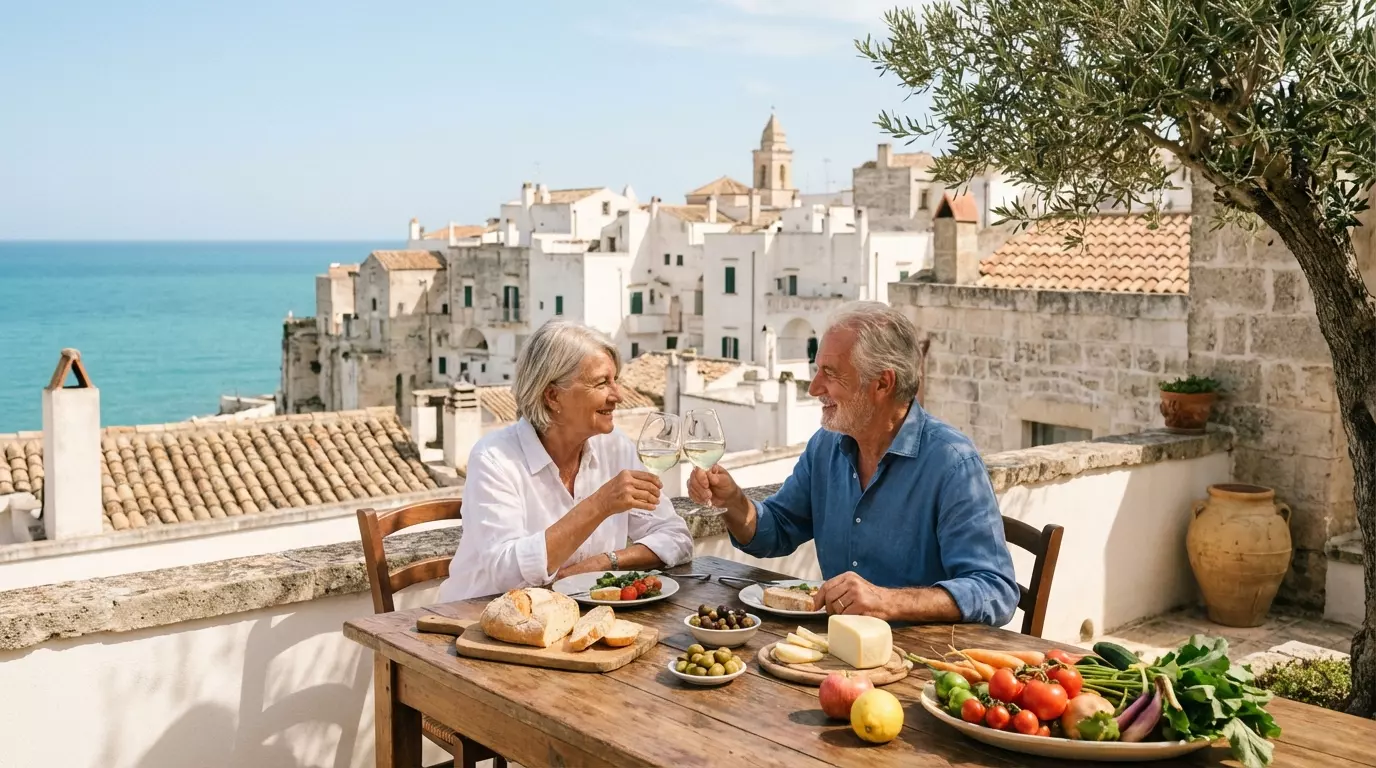
Italy has long been synonymous with la dolce vita, and for retirees seeking a blend of culture, climate, and quality of life, this Mediterranean gem offers an irresistible proposition. The country’s rich history, world-renowned cuisine, and welcoming communities make it an increasingly popular choice for those looking to spend their retirement years in a place that feels both exotic and comfortable. From sun-drenched coastal villages to rolling Tuscan hills, Italy presents diverse options for retirees ready to embrace a new chapter.
The appeal of retiring in Italy extends far beyond romantic notions of sipping espresso in ancient piazzas. Practical considerations such as affordable living costs, excellent healthcare, and a favorable climate make this country a viable option for retirees on various budgets. Whether you’re drawn to the artistic heritage of Renaissance cities or the tranquil rhythm of rural life, Italy accommodates different retirement visions while maintaining that distinctive Italian character that captivates visitors and residents alike.
Why Italy Captures the Hearts of Retirees
The Italian lifestyle embodies a philosophy that resonates deeply with retirees seeking meaningful experiences over materialistic pursuits. The emphasis on family, community, and savoring life’s simple pleasures creates an environment where retirees can genuinely relax and enjoy their post-work years. Italians prioritize relationships and leisure time, making it easier for newcomers to integrate into local communities and build lasting friendships. The slower pace of life, particularly in smaller towns and villages, allows retirees to disconnect from the stress of their previous working lives and embrace a more contemplative existence.
Italy’s geographical diversity means retirees can choose environments that match their preferences and health needs. The Mediterranean climate in most regions offers mild winters and warm, dry summers, which many find beneficial for various health conditions. Access to Italy’s healthcare system, consistently ranked among the best in the world, provides peace of mind for retirees concerned about medical care. Additionally, the country’s central location in Europe makes it an excellent base for continued travel, with major European capitals just a short flight away, allowing retirees to maintain connections with family and explore new destinations.
Coastal Living: Seaside Towns for Your Golden Years
Italy’s extensive coastline stretches for over 7,600 kilometers, offering countless opportunities for seaside retirement living. The Abruzzo region, particularly towns like Silvi Marina and Giulianova, presents an attractive option for retirees seeking coastal beauty without the premium prices of more famous destinations. These Adriatic towns combine sandy beaches with authentic Italian culture, where retirees can enjoy fresh seafood, participate in local festivals, and benefit from significantly lower property prices compared to Tuscany or the Amalfi Coast. The region maintains a genuine Italian character with fewer tourists, allowing retirees to immerse themselves in local life while enjoying modern amenities.
For those preferring the western coast, Liguria’s picturesque towns offer dramatic Mediterranean vistas and mild year-round temperatures. While Cinque Terre attracts masses of tourists, nearby alternatives like Bordighera and Ventimiglia provide similar charm with more manageable living costs. These coastal communities feature palm-lined promenades, colorful buildings cascading down hillsides, and a relaxed atmosphere perfect for retirement. The proximity to France adds cultural diversity, and the region’s famous focaccia and pesto reflect Liguria’s distinct culinary identity. Retirees here benefit from excellent train connections along the coast, making car ownership optional and reducing living expenses.
Tuscan Charm: Countryside Retreats That Welcome Expats
Tuscany represents the quintessential Italian retirement dream for many international retirees, and certain areas have developed welcoming expat communities while maintaining authentic Italian character. The Lunigiana region in northern Tuscany offers medieval villages, chestnut forests, and significantly lower property prices than popular areas like Chianti or Val d’Orcia. Towns such as Pontremoli and Fivizzano provide genuine Italian experiences with growing international communities, creating a balance between cultural immersion and familiar support networks. The region’s position between the mountains and sea offers diverse recreational opportunities, from hiking to beach visits within short drives.
Le Marche, Tuscany’s eastern neighbor, delivers similar countryside beauty with even more attractive pricing and fewer tourists. This often-overlooked region features rolling hills, medieval hilltop towns, and proximity to both mountains and Adriatic beaches. Towns like Cagli, Pergola, and Urbino welcome retirees with restored properties available at reasonable prices and active expat networks providing support for newcomers. According to Italian property data, Le Marche properties cost approximately 40-50% less than comparable Tuscan homes, making retirement budgets stretch considerably further. The region maintains strong agricultural traditions, offering access to exceptional local produce, wines, and olive oils at farm-gate prices.
Cost of Living: Making Your Pension Work in Italy
Understanding Italy’s cost structure helps retirees plan realistic budgets for their golden years. Southern regions and smaller towns generally offer the most affordable living, with monthly expenses for a couple potentially ranging from €1,500 to €2,500, covering rent, utilities, food, and entertainment. Northern cities and tourist hotspots command premium prices, but even there, strategic choices about location and lifestyle can keep costs manageable. Property purchases vary dramatically by region, with renovated apartments in southern towns starting around €50,000-€80,000, while similar properties in Tuscany or Umbria might cost €150,000-€250,000 or more.
Healthcare costs represent a significant consideration for retirees, but Italy’s system proves remarkably affordable compared to many countries. Retirees establishing legal residency can access the national health service (Servizio Sanitario Nazionale) by paying annual contributions based on income, typically ranging from €400 to several thousand euros annually for higher earners. This provides comprehensive coverage including hospitalization, specialist visits, and most medications at nominal co-pays. Daily expenses like groceries remain reasonable, especially when shopping at local markets and buying seasonal produce. A couple can expect to spend €300-€500 monthly on groceries when cooking at home. Dining out varies by region, but even in tourist areas, neighborhood trattorias offer complete meals for €15-€25 per person, with local wine often costing less than bottled water.
Utility costs and property taxes require careful budgeting. Heating expenses in central and northern regions can be substantial during winter months, potentially reaching €150-€300 monthly in older, less-insulated properties. Property taxes (IMU) vary by municipality and property type, but retirees can expect annual bills ranging from €500 to €2,000 for typical retirement properties, with primary residences often receiving favorable rates or exemptions. Transportation costs remain modest, particularly for retirees comfortable using Italy’s extensive public transportation network. Monthly passes in most cities cost €35-€50, and intercity train travel offers significant senior discounts, making car ownership optional in many locations.
In Short
Italy continues attracting retirees worldwide through its unmatched combination of cultural richness, natural beauty, and affordable living. From Abruzzo’s Adriatic beaches to Tuscany’s cypress-lined hills and Le Marche’s undiscovered villages, the country offers retirement destinations matching various preferences and budgets. The Italian emphasis on quality of life, community, and enjoying simple pleasures aligns perfectly with retirement goals, while practical considerations like excellent healthcare and reasonable costs make the dream achievable.
Successful retirement in Italy requires research, realistic budgeting, and willingness to embrace local culture and language. Those who invest time learning Italian, understanding regional differences, and integrating into communities find their retirement years enriched beyond measure. Whether you’re drawn to coastal living, countryside tranquility, or small-town charm, Italy provides settings where retirees can create fulfilling, enjoyable lives. The key lies in choosing locations that match your lifestyle preferences, financial situation, and personal interests, ensuring your Italian retirement becomes everything you’ve imagined.
Frequently Asked Questions
What are the visa requirements for retiring in Italy?
Non-EU retirees need an elective residence visa, requiring proof of sufficient income (approximately €31,000 annually for individuals), health insurance, and Italian accommodation. The application process begins at Italian consulates in your home country before moving.
Is it necessary to speak Italian to retire in Italy?
While not legally required, learning Italian significantly enhances your retirement experience, facilitating daily interactions, healthcare appointments, and deeper community integration. Many expat-friendly areas have English speakers, but Italian proficiency opens doors to authentic local life.
How does Italy’s healthcare system work for retirees?
Legal residents access Italy’s national health service by registering and paying income-based annual contributions. The system provides comprehensive coverage including doctor visits, hospitalization, and medications, ranking among the world’s best healthcare systems.
What are the most affordable regions for retirement in Italy?
Abruzzo, Le Marche, Puglia, Calabria, and Sicily generally offer the lowest living costs and property prices. These regions provide authentic Italian experiences with monthly budgets potentially 30-50% lower than Tuscany or northern cities.
Can retirees buy property in Italy easily?
Foreign buyers can purchase Italian property with relatively few restrictions. The process involves finding properties, making offers through real estate agents, hiring notaries for legal work, and completing purchases typically within 2-3 months.
What about taxes for foreign retirees in Italy?
Italy taxes worldwide income for residents, but many countries have tax treaties preventing double taxation. New residents may qualify for favorable flat-tax regimes in certain southern regions, making professional tax advice essential before relocating.
SEO Keywords: retirement Italy, Italian coastal towns, Tuscany retirement
5 Suggested Internal Links: Italy’s healthcare system, Abruzzo region, Mediterranean climate, Le Marche properties, elective residence visa
Join The Discussion