

Dutch Real Estate: What to Expect by 2026
The Netherlands property market stands at a fascinating crossroads as we look toward 2026. According to CBRE‘s comprehensive market outlook, the Dutch real estate sector is experiencing a period of recalibration following years of unprecedented growth. While the market has cooled from its overheated state in 2021-2022, fundamental demand drivers remain robust, suggesting a stabilization rather than a collapse. The combination of housing shortages, evolving workplace dynamics, and sustainability imperatives continues to reshape how investors and developers approach opportunities across residential, office, industrial, and retail segments.
The outlook through 2026 reflects cautious optimism tempered by realistic economic headwinds. Interest rate adjustments, construction cost pressures, and regulatory changes are forcing market participants to adopt more strategic, long-term perspectives. However, the Netherlands’ strong economic fundamentals, strategic European location, and commitment to sustainable development create a compelling case for continued investment. Understanding the nuanced dynamics across different property sectors and regions will be essential for stakeholders seeking to capitalize on emerging opportunities while navigating potential challenges in the coming years.
Key Trends Shaping the Netherlands Market
Several transformative trends are fundamentally altering the Dutch real estate landscape as we progress toward 2026. The sustainability revolution tops the agenda, with increasingly stringent energy performance requirements forcing property owners to invest heavily in retrofitting and upgrades. The Dutch government’s commitment to achieving climate neutrality by 2050 has accelerated regulatory timelines, making ESG considerations central to investment decisions rather than optional add-ons. Properties that fail to meet evolving environmental standards face significant value depreciation, while sustainable assets command premium pricing and attract institutional capital seeking future-proof investments.
The hybrid work model has permanently transformed office demand patterns across major Dutch cities. Rather than the wholesale abandonment some predicted, the market is witnessing a “flight to quality” where tenants prioritize well-located, amenity-rich buildings that facilitate collaboration and employee wellbeing. This shift creates a bifurcated market where prime assets in central business districts maintain strong performance while secondary and tertiary properties struggle with higher vacancy rates. According to research from the Urban Land Institute, this trend is consistent across major European markets, with the Netherlands showing particular resilience in cities like Amsterdam, Rotterdam, and Utrecht where knowledge economy sectors continue expanding.
Investment Opportunities in Dutch Property
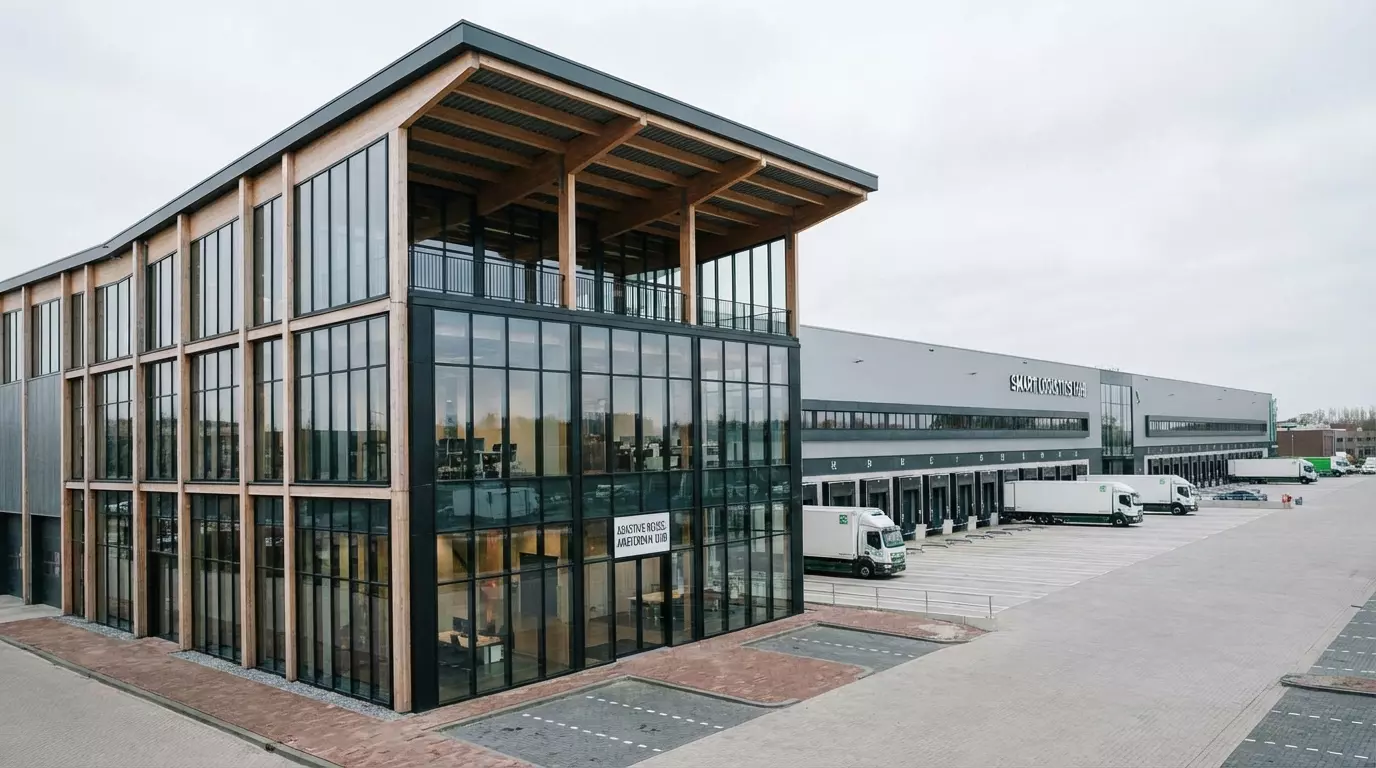
The logistics and industrial sector presents perhaps the most compelling investment narrative through 2026. The Netherlands’ position as Europe’s gateway, anchored by the Port of Rotterdam and Schiphol Airport, drives insatiable demand for modern distribution facilities. E-commerce growth, supply chain reconfiguration, and nearshoring trends support continued expansion, though land scarcity and planning restrictions create supply constraints that benefit existing asset owners. Investors targeting last-mile delivery facilities in urban peripheries and large-scale logistics parks near major transportation hubs are positioned to capture sustained rental growth and capital appreciation.
Residential investment opportunities are evolving beyond traditional buy-to-let models toward institutional-grade rental housing and specialized segments. The persistent housing shortage, estimated at over 300,000 units nationally, ensures strong fundamental demand despite affordability challenges. Build-to-rent developments targeting middle-income professionals, student housing in university cities, and senior living facilities addressing demographic aging all offer attractive risk-adjusted returns. However, rent regulation discussions and potential policy changes require careful monitoring, as political pressure to address affordability could impact investor returns in certain segments.
Key investment considerations through 2026 include:
- Location selectivity: Focus on economically dynamic regions with population growth
- Asset quality: Prioritize energy-efficient properties meeting future regulatory standards
- Tenant covenant strength: Seek creditworthy occupiers with sustainable business models
- Development pipeline: Monitor new supply that could pressure rental rates in specific submarkets
- Financing structures: Adapt to higher interest rate environment with conservative leverage
Regional Outlook: Where to Buy Through 2026
Amsterdam’s Randstad region continues dominating investment activity, though premium pricing requires sophisticated value-add strategies. The capital’s office market faces short-term headwinds from hybrid work adoption, but its status as a global technology hub and post-Brexit financial services destination supports medium-term confidence. Residential development opportunities exist in emerging neighborhoods and transit-oriented developments, though regulatory complexities and community opposition can extend project timelines. The industrial sector around Amsterdam benefits from Schiphol proximity, though environmental restrictions limit expansion possibilities.
Rotterdam and The Hague present more accessible entry points with improving fundamentals. Rotterdam’s ongoing urban regeneration, port-related logistics demand, and relatively affordable housing attract both domestic and international investors seeking value opportunities. The city’s commitment to becoming climate-adaptive creates opportunities in sustainable redevelopment projects. The Hague benefits from government employment stability and growing international organization presence, supporting steady office and residential demand. Both cities offer better yield profiles than Amsterdam while maintaining strong connectivity and economic diversity.
Regional cities merit increased attention as Amsterdam pricing pushes investors toward secondary markets:
- Utrecht: University-driven demand, excellent rail connectivity, limited development land
- Eindhoven: Technology sector growth anchored by high-tech campus, industrial conversion opportunities
- Groningen: Student housing demand, northern Netherlands gateway, affordability advantages
- Maastricht: Cross-border dynamics with Belgium and Germany, lifestyle appeal, tourism sector
| City | Prime Office Yield | Residential Rental Growth | Key Advantage |
|---|---|---|---|
| Amsterdam | 3.5-4.0% | 3-4% annually | International appeal |
| Rotterdam | 4.5-5.0% | 4-5% annually | Value opportunity |
| Utrecht | 4.0-4.5% | 3-4% annually | Transport hub |
| Eindhoven | 5.0-5.5% | 4-5% annually | Tech ecosystem |
In Short
The Dutch real estate market through 2026 presents a landscape of selective opportunities requiring strategic positioning and careful risk assessment. While the days of across-the-board appreciation have concluded, strong fundamentals in logistics, quality offices, and residential segments offer attractive returns for informed investors. Sustainability requirements, technological adaptation, and regional diversification will separate successful strategies from underperformers.
Market participants who align investments with long-term structural trends, particularly around sustainability, demographic shifts, and economic geography, position themselves advantageously. The Netherlands’ stable political environment, transparent legal framework, and strategic European location ensure continued international interest. However, success requires moving beyond generic approaches toward nuanced understanding of sector-specific dynamics, regional variations, and regulatory evolution. Those willing to embrace complexity while maintaining disciplined underwriting standards will find the Dutch market rewarding through 2026 and beyond.
FAQ
What is the outlook for Dutch residential property prices through 2026?
Residential prices are expected to stabilize following the correction from 2022 peaks, with modest growth of 2-3% annually as the market adjusts to higher interest rates. Affordability constraints and potential regulatory interventions may limit appreciation, though persistent supply shortages prevent significant price declines in most regions.
Which Dutch property sector offers the best investment returns?
Logistics and industrial properties currently offer the strongest risk-adjusted returns, supported by structural e-commerce growth and supply chain trends. However, residential rental housing in growing cities and sustainable office refurbishment projects also present compelling opportunities for different investor profiles.
How will sustainability regulations impact Dutch real estate values?
Properties failing to meet evolving energy performance standards will face significant value depreciation and potential obsolescence. Conversely, sustainable assets command rental and price premiums while attracting institutional capital, making ESG compliance essential rather than optional for value preservation.
Are secondary Dutch cities good investment alternatives to Amsterdam?
Cities like Utrecht, Rotterdam, Eindhoven, and The Hague offer better yield profiles and value opportunities while maintaining strong economic fundamentals. These markets suit investors seeking lower entry prices with solid growth potential, though liquidity and tenant depth may be more limited than in Amsterdam.
What risks should investors monitor in the Dutch property market?
Key risks include interest rate volatility affecting financing costs, construction price inflation impacting development feasibility, regulatory changes around rent controls, and economic slowdown reducing occupier demand. Climate change adaptation requirements and planning restrictions also present challenges requiring careful evaluation.

Join The Discussion