

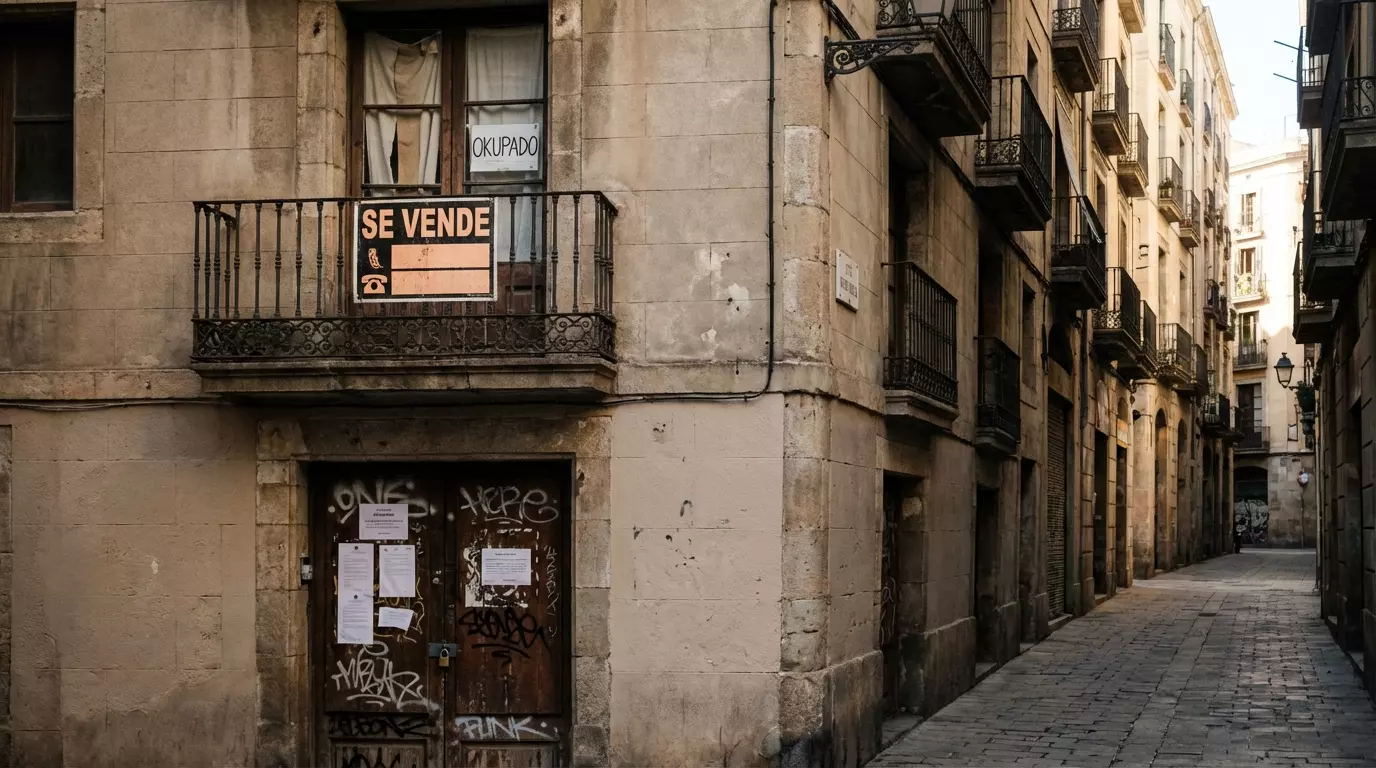
Squatted Homes for Sale in Spain: Understanding the Growing Market Phenomenon
The Spanish property market has witnessed an unusual trend that’s catching the attention of bargain hunters and investors alike. Listings for squatted properties have become increasingly common, presenting potential buyers with what appears to be attractive opportunities at significantly reduced prices. However, these seemingly lucrative deals come with substantial legal complications and risks that require careful consideration before making any purchase decisions.
Understanding why these occupied properties flood the market and where they’re most prevalent is essential for anyone considering entering this complex segment of Spain’s real estate landscape. This article examines the phenomenon of squatted homes for sale, exploring the underlying causes, geographic distribution, legal implications, and whether such purchases represent genuine investment opportunities or potential nightmares.
Why Squatted Properties Are Hitting the Market
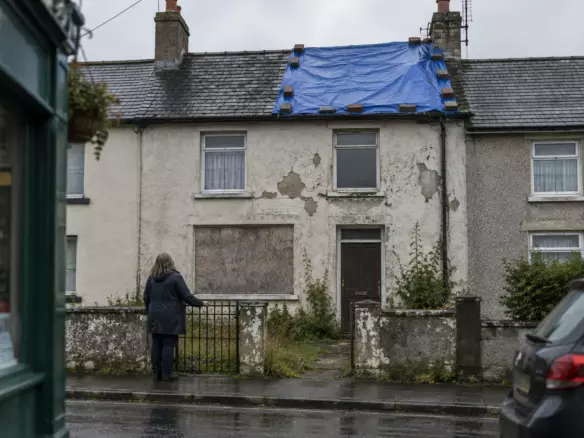
The surge in squatted properties available for sale stems primarily from Spain’s ongoing struggle with unauthorized property occupation. Property owners facing the challenge of illegal occupants often find themselves in frustrating legal battles that can drag on for months or even years. Rather than endure the lengthy and expensive eviction process, many owners choose to cut their losses by selling the property at a substantial discount, effectively transferring the problem to a new buyer willing to take on the challenge.
Economic factors have also contributed significantly to this market phenomenon. The aftermath of Spain’s financial crisis left numerous properties abandoned or foreclosed, creating prime opportunities for squatters. Banks and investment funds that acquired these properties during the crisis are now looking to offload them quickly, even if occupied, to clean up their portfolios. According to Idealista, these properties typically sell for 20-40% below market value, making them tempting prospects despite the obvious complications. The combination of legal complexity, financial pressure, and the desire for quick sales has created a unique market segment that continues to expand across Spain’s property landscape.
Where You’ll Find Most Occupied Homes for Sale
Geographic distribution of squatted properties for sale reveals clear patterns across Spain’s territory. The highest concentrations appear in major urban centers, particularly Barcelona, Madrid, and Valencia, where housing shortages and higher property values create stronger incentives for unauthorized occupation. Barcelona leads the statistics with the most squatted properties listed for sale, reflecting both the city’s acute housing crisis and its attractiveness to various groups seeking accommodation without proper rental agreements.
Coastal regions, especially areas that experienced significant construction booms followed by busts, also feature prominently in squatted property listings. The Costa del Sol, Costa Blanca, and Costa Brava regions contain numerous developments that were abandoned mid-construction or left empty after the financial crisis, making them vulnerable to occupation. Additionally, smaller cities experiencing economic difficulties, such as certain areas in Andalusia and Castilla-La Mancha, have seen increases in squatted properties entering the market. The prevalence in these locations reflects broader socioeconomic challenges, including unemployment, housing affordability issues, and the presence of abandoned properties that attract squatters seeking free accommodation or, in some cases, organized groups exploiting legal loopholes.
The Legal Risks of Buying Squatted Property
Purchasing a squatted property involves navigating a minefield of legal complications that can turn a bargain into a costly mistake. The primary challenge lies in the eviction process itself, which in Spain can take anywhere from six months to several years depending on the circumstances and the squatters’ legal strategy. Spanish law provides significant protections for occupants, particularly if they can claim vulnerability or if the property represents their primary residence, making the removal process considerably more complex than many foreign buyers anticipate.
Buyers must also consider additional legal expenses that can quickly erode any perceived savings from the discounted purchase price. Legal fees for eviction proceedings, potential damages to the property, unpaid utility bills, and security costs while the eviction process unfolds can accumulate substantially. According to The Guardian’s coverage of Spain’s housing issues, some buyers have spent upwards of €20.000-€30.000 in legal and associated costs to regain possession of their purchased properties. Furthermore, there’s the risk that squatters may have changed locks, altered the property, or even sold fake rental contracts to third parties, creating additional legal entanglements. Insurance companies often refuse to cover squatted properties, leaving buyers exposed to further financial risk. The legal uncertainty surrounding each case means outcomes can vary dramatically, making it impossible to guarantee a specific timeline or cost for resolving the occupation issue.
Is Purchasing a Squatted Home Worth It?
The question of whether buying a squatted property represents a worthwhile investment depends entirely on the buyer’s circumstances, risk tolerance, and expertise. For experienced investors with deep pockets, legal knowledge, and patience, these properties can potentially offer significant returns once the occupation issue is resolved. The substantial discounts mean that even after factoring in eviction costs and property repairs, the final acquisition cost may still fall below market value, particularly in high-demand areas where property prices continue rising.
However, for average homebuyers or inexperienced investors, the risks typically outweigh the potential benefits. The stress, uncertainty, and time commitment required to navigate the eviction process can be overwhelming, especially for those unfamiliar with Spanish legal procedures. Several key factors determine whether such purchases make sense:
- Financial cushion: Having substantial reserves beyond the purchase price to cover legal costs and extended timelines
- Legal expertise: Access to experienced property lawyers specializing in squatter evictions
- Time flexibility: Ability to wait potentially years before occupying or reselling the property
- Risk management: Understanding that outcomes aren’t guaranteed and being prepared for worst-case scenarios
- Alternative investments: Comparing potential returns against less complicated investment opportunities
Professional property investors often employ specialized teams including lawyers, security personnel, and negotiators to handle squatted properties efficiently. Without such resources, individual buyers may find themselves outmatched by the complexities involved. The emotional toll of dealing with confrontational situations, potential property damage, and legal frustrations should not be underestimated either.
In Short
The market for squatted properties in Spain represents a complex intersection of legal, economic, and social factors that create both opportunities and significant risks. While the substantial discounts on these properties may initially appear attractive, potential buyers must thoroughly understand the challenges involved in eviction processes, legal expenses, and timeline uncertainties. The concentration of such properties in major urban centers and coastal regions reflects broader housing market dynamics and socioeconomic pressures affecting Spain.
For those considering entering this market segment, comprehensive due diligence, expert legal counsel, and realistic financial planning are absolutely essential. The decision to purchase a squatted property should never be made lightly or based solely on the discounted price. Instead, it requires careful analysis of all associated costs, risks, and personal circumstances. While experienced investors with appropriate resources may find genuine value, most buyers would be better served exploring conventional property purchases that don’t carry the substantial complications and uncertainties inherent in squatted homes.
Frequently Asked Questions
How long does it take to evict squatters from a property in Spain?
The eviction process in Spain typically takes between 6 months to 2 years, depending on various factors including whether the squatters claim the property as their primary residence, their vulnerability status, and how effectively they use legal delay tactics. In some complex cases, the process can extend even longer.
Can I negotiate with squatters to leave voluntarily?
Yes, many property owners and buyers successfully negotiate cash-for-keys arrangements where squatters agree to leave peacefully in exchange for a payment. This approach often proves faster and less expensive than formal eviction proceedings, though it requires careful legal documentation to ensure the agreement is binding.
Are squatted properties clearly identified in listings?
Reputable real estate platforms and agents should clearly disclose if a property is occupied by squatters. However, not all listings are transparent about this issue, making it crucial for buyers to conduct thorough due diligence, including physical property inspections and comprehensive legal checks before making any purchase commitments.
What happens to my mortgage if I buy a squatted property?
Most Spanish banks are reluctant to provide mortgages for known squatted properties, meaning buyers typically need to purchase with cash. If a mortgage is somehow secured and the squatter situation wasn’t disclosed, the bank could potentially demand immediate repayment or impose penalties once they discover the occupation.
Can I enter a squatted property I’ve purchased?
No, even as the legal owner, you cannot forcibly enter or remove squatters from the property yourself. Doing so could result in criminal charges against you. All evictions must proceed through proper legal channels with court orders and official enforcement by authorities.
Do squatters have to pay for damages to the property?
In theory, squatters are liable for damages caused during their occupation. However, in practice, recovering these costs is extremely difficult as most squatters lack financial resources, making legal judgments against them effectively uncollectible.

Join The Discussion