

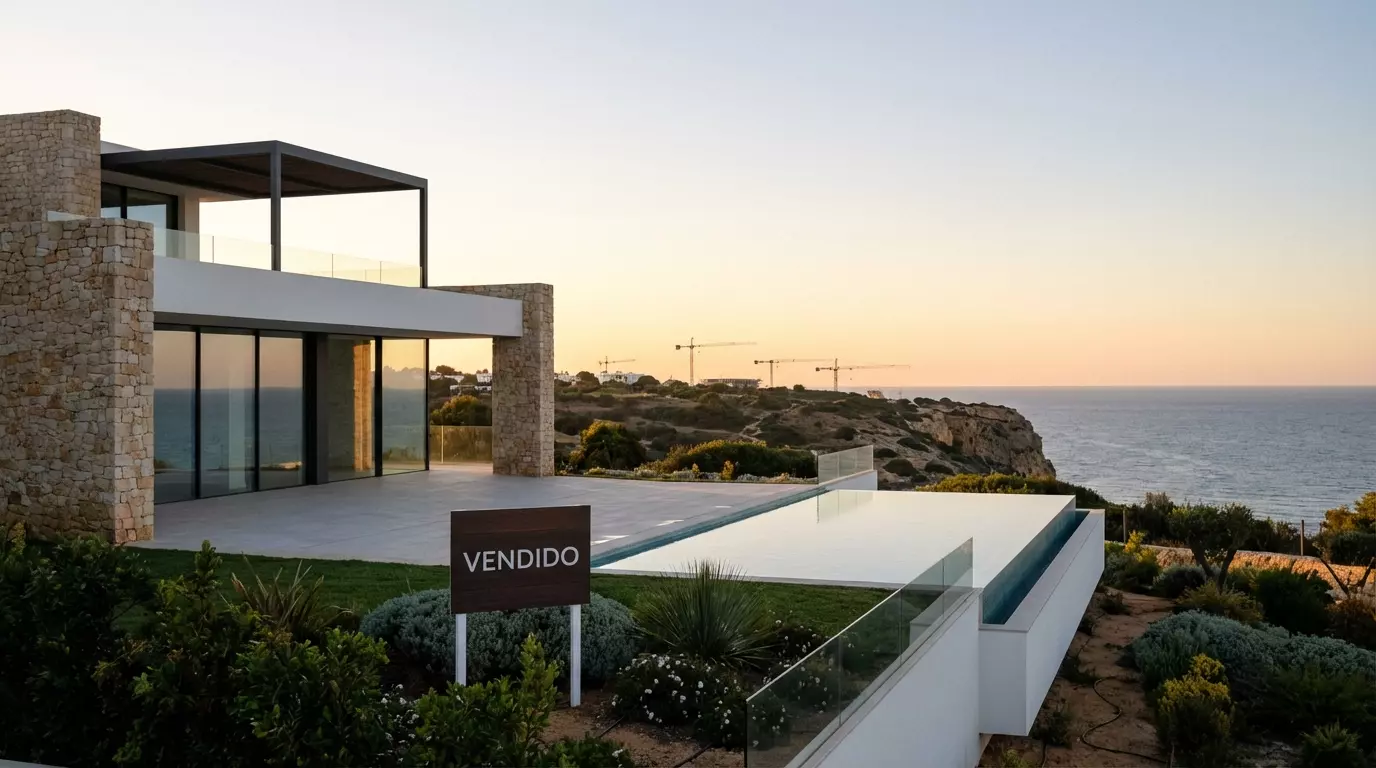
Portugal’s Property Market in 2026: Navigating the Post-NHR Era
Portugal’s real estate landscape has entered a transformative phase following significant changes to its Non-Habitual Resident (NHR) tax regime. What was once a golden ticket for foreign investors seeking tax advantages has evolved into a more nuanced market, yet the country’s appeal remains remarkably resilient. As we assess the Portuguese property sector in 2026, a fascinating picture emerges of adaptation, redistribution, and continued growth across different regions.
The dissolution of the original NHR program hasn’t dampened international interest in Portuguese real estate as many initially feared. Instead, the market has matured, attracting buyers motivated by quality of life, security, and long-term value rather than purely tax incentives. This shift has created new opportunities in previously overlooked regions while traditional hotspots continue to thrive on their inherent merits. Understanding these dynamics is essential for anyone considering property investment in Portugal today.
New Tax Landscape Transforms Portugal Property
The Portuguese government’s decision to phase out the NHR regime for new applicants marked a watershed moment in the country’s approach to foreign investment. Implemented to address housing affordability concerns for local residents, this policy shift initially sent ripples of uncertainty through the real estate community. However, the Portuguese Tax Authority has introduced alternative frameworks that, while less generous than the original NHR, still offer competitive advantages for certain professional categories and pension income structures.
The market has responded with remarkable adaptability. Property transactions have stabilized after an initial adjustment period, with buyers now focusing on intrinsic property value and lifestyle benefits rather than tax optimization alone. This has led to more sustainable pricing patterns, particularly in areas that experienced speculative bubbles during the NHR boom years. Investment funds and institutional buyers have actually increased their presence, viewing the market correction as an opportunity to acquire quality assets at more reasonable valuations. The European Central Bank’s monetary policies have also played a supporting role, with interest rates creating favorable borrowing conditions for qualified buyers.
Why Lisbon and Algarve Still Lead the Market
Lisbon continues to captivate international buyers with its unique blend of historic charm and modern infrastructure. The Portuguese capital has evolved into a genuine tech hub, attracting digital nomads, startup entrepreneurs, and remote workers who appreciate the city’s 300 days of annual sunshine, walkable neighborhoods, and vibrant cultural scene. Property prices have shown resilience despite NHR changes, with prime areas like Chiado, Príncipe Real, and riverside developments maintaining strong demand. The city’s investment in public transportation, including metro expansions and improved cycling infrastructure, has enhanced accessibility across previously undervalued neighborhoods.
The Algarve region remains Portugal’s premier coastal destination, offering a lifestyle that transcends tax considerations. From the golden cliffs of Lagos to the upscale marina developments in Vilamoura, this southern paradise delivers year-round appeal with its exceptional climate, world-class golf courses, and pristine beaches. Safety statistics consistently rank the Algarve among Europe’s most secure regions, with violent crime rates significantly below European averages. The international community here has matured into established networks of expatriates, creating robust support systems for newcomers. Healthcare facilities have expanded substantially, with private hospitals in Faro and Albufeira offering multilingual services that rival major European medical centers.
Interior Regions Offer Affordable Entry Points
The post-NHR market has accelerated interest in Portugal’s interior regions, where property prices remain remarkably accessible compared to coastal areas. Towns like Covilhã in the Serra da Estrela mountains, Viseu in the north-central region, and Évora in the Alentejo are experiencing unprecedented attention from both international and domestic buyers. These areas offer authentic Portuguese experiences with properties often priced at 40-60% below comparable coastal locations. A renovated three-bedroom house in central Viseu might cost €150.000-200,000, while similar properties in Lisbon suburbs would easily exceed €400.000.
Infrastructure improvements have been crucial to this emerging trend. High-speed internet connectivity has reached most interior municipalities, enabling remote work possibilities that were unthinkable a decade ago. The Portuguese government’s investment in highway networks has reduced travel times dramatically, making weekend trips to Lisbon or Porto entirely feasible from interior locations. Towns like Tomar, Castelo Branco, and Guarda are developing cosmopolitan communities of creative professionals, retirees, and lifestyle migrants who appreciate lower living costs, authentic culture, and stronger integration with local Portuguese society. Property renovation grants and municipal incentives for population retention have sweetened the proposition, with some towns offering tax breaks for property improvements and business establishment.
Safety and Lifestyle Keep Buyers Coming Back
Portugal’s exceptional safety record remains one of its strongest selling points in an increasingly uncertain world. The Global Peace Index consistently ranks Portugal among the world’s top ten safest countries, a distinction that resonates powerfully with families and retirees. Street crime is minimal, political stability is strong, and the general atmosphere is welcoming rather than threatening. This security extends beyond physical safety to include reliable institutions, transparent legal systems, and predictable regulatory environments that protect property rights.
The Portuguese lifestyle encompasses elements that simply cannot be quantified in tax savings. The culture prioritizes work-life balance, with long lunches, evening passeios (strolls), and strong community connections forming the fabric of daily existence. Fresh markets overflow with local produce, seafood arrives daily from Atlantic waters, and the Mediterranean diet contributes to exceptional health outcomes. Cultural richness abounds, from fado music in Lisbon’s Alfama district to traditional festivals in small villages that have celebrated harvests and saints’ days for centuries. The Portuguese people’s renowned hospitality makes integration smoother for foreigners, with English widely spoken in urban areas and coastal regions. Healthcare quality exceeds expectations, with both public and private systems offering excellent care at costs well below Northern European or North American standards.
In Short
Portugal’s real estate market has successfully navigated the transition away from the NHR tax regime, emerging with a more sustainable foundation based on genuine lifestyle appeal rather than pure tax arbitrage. Lisbon and the Algarve continue commanding premium prices justified by their exceptional quality of life, safety, infrastructure, and international communities. Meanwhile, interior regions have stepped into the spotlight, offering authentic experiences and accessible entry points for buyers with tighter budgets or those seeking deeper cultural immersion.
The 2026 market reflects a maturation process that ultimately strengthens Portugal’s long-term prospects. Buyers today are making decisions based on where they genuinely want to live rather than where tax codes direct them. This creates more stable communities, better integration between international and local populations, and property valuations grounded in real utility rather than speculative incentives. Whether you’re drawn to cosmopolitan Lisbon, the sun-soaked Algarve coast, or the undiscovered charm of interior Portugal, the country offers compelling options across diverse budgets and lifestyle preferences. The post-NHR era may have closed one chapter, but Portugal’s story as a premier European destination for property investment and quality living continues with renewed authenticity.
FAQ
What replaced the NHR tax regime in Portugal?
Portugal introduced modified tax frameworks that offer reduced benefits compared to the original NHR program. While the comprehensive tax exemptions are no longer available for new applicants, certain professional categories and pension structures still receive preferential treatment, though less generous than before.
Are property prices falling in Portugal after NHR changes?
Property prices have stabilized rather than collapsed. Prime areas in Lisbon and the Algarve show continued resilience, while some previously overheated markets have experienced modest corrections. Interior regions are actually seeing price increases as demand shifts toward more affordable locations.
Which interior Portuguese regions offer the best value?
Viseu, Évora, Tomar, Covilhã, and Guarda consistently offer excellent value with property prices 40-60% below coastal equivalents. These regions combine affordability with improving infrastructure, good internet connectivity, and authentic Portuguese culture.
Is Portugal still safe for foreign property owners?
Absolutely. Portugal maintains its position among the world’s safest countries with low crime rates, political stability, and strong legal protections for property rights. Both the Global Peace Index and European safety statistics consistently rank Portugal in the top tier.
Can you still get residency through Portuguese property purchase?
Yes, Portugal’s Golden Visa program continues, though with modifications. Direct property investment thresholds have increased, and purchases in high-density areas like Lisbon and Porto no longer qualify. Alternative investment routes and properties in interior regions remain viable paths to residency.
What are typical property prices in Lisbon versus interior regions in 2026?
Central Lisbon properties average €4.000-6,000 per square meter, while interior towns like Viseu or Évora range from €1.000-2,000 per square meter. A two-bedroom apartment might cost €350.000-500,000 in Lisbon but €100.000-150,000 in interior locations.
How has the Algarve property market performed post-NHR?
The Algarve has shown remarkable resilience with demand sustained by lifestyle factors, golf tourism, retirement migration, and rental income potential. Premium coastal properties have maintained values, while inland Algarve locations offer better value with similar climate benefits.
What lifestyle advantages does Portugal offer beyond tax benefits?
Portugal provides exceptional climate, outstanding safety, affordable healthcare, rich culture, Mediterranean cuisine, welcoming communities, work-life balance, beautiful landscapes, and significantly lower living costs compared to Northern Europe and North America

Join The Discussion