


Dutch Home Prices Cross €500.000 Threshold
The Dutch housing market has reached a significant milestone as the average home price has surpassed the €500.000 mark for the first time in history. This landmark figure represents a substantial increase in property values across the Netherlands, continuing a trend that has made homeownership increasingly challenging for many Dutch residents. The Central Bureau of Statistics (CBS) reported this development, highlighting the ongoing transformation of the Dutch real estate landscape.
Despite reaching this impressive threshold, the market is showing distinct signs of change compared to previous years. The surge past half a million euros comes at a time when the pace of price increases has notably decelerated. This dual development presents a complex picture for both current homeowners and prospective buyers navigating the Dutch property market. The combination of record-high prices alongside slower growth rates suggests the market may be entering a new phase of development.
Annual Growth Rate Drops to 3.9 Percent
The annual price increase has slowed considerably to 3.9 percent, marking a significant shift from the double-digit growth rates that characterized the Dutch housing market in recent years. This moderation represents a dramatic cooling from the frenzied pace of appreciation that saw home values skyrocket during and after the pandemic period. The deceleration indicates that the market may be stabilizing after years of unprecedented growth that left many potential buyers struggling to enter the market.
This slowdown in price acceleration can be attributed to several interconnected factors affecting the Dutch economy and housing sector. Higher mortgage interest rates have dampened purchasing power, while increased housing supply in certain regions has helped ease some of the extreme pressure on prices. Additionally, stricter lending requirements and economic uncertainty have contributed to more cautious buyer behavior. These elements combined have created an environment where price growth continues but at a more sustainable and manageable rate than the explosive increases witnessed in previous years.
Housing Market Shows Signs of Cooling Down
The cooling trend extends beyond just the rate of price increases, with various market indicators pointing toward a more balanced real estate environment. Transaction volumes have stabilized, and properties are remaining on the market for longer periods compared to the peak years when homes would receive multiple offers within days of listing. This shift has given buyers more time to consider their options and negotiate terms, a stark contrast to the bidding wars that became commonplace during the height of the market frenzy.
Regional variations are becoming more pronounced as the market cools unevenly across the Netherlands. Major cities like Amsterdam, Rotterdam, and Utrecht continue to command premium prices, but even these metropolitan areas are experiencing slower growth rates. Smaller cities and rural areas are seeing more significant cooling effects, with some regions reporting nearly flat price development. This geographic divergence creates opportunities for buyers willing to consider locations outside the traditional high-demand urban centers, potentially reshaping settlement patterns across the country.
What This Means for Dutch Homebuyers in 2026
For prospective homebuyers in 2026, the current market conditions present both challenges and opportunities that require careful navigation. The positive aspect of slower price growth means that buyers have more time to save for down payments without watching their target homes become drastically more expensive each month. The increased stability also allows for more thoughtful decision-making rather than the rushed purchases that characterized previous years when fear of missing out drove many transactions.
However, the €500.000 average price point remains a formidable barrier for many Dutch households, particularly first-time buyers and younger generations attempting to establish themselves in the property market. Even with the slower growth rate, accumulating the necessary funds for a down payment and meeting mortgage requirements continues to challenge many aspiring homeowners. According to Eurostat, the Netherlands maintains one of the highest property price-to-income ratios in Europe, making affordability a persistent concern despite the cooling market.
Strategic Considerations for Buyers
Buyers entering the market in 2026 should consider several key strategies:
- Explore emerging neighborhoods where prices remain below the national average but offer good infrastructure and development potential
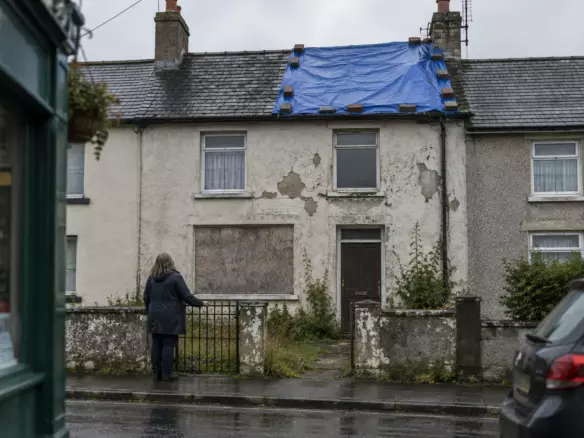
- Consider properties requiring renovation as these often sell below market average and can be customized to personal preferences
- Investigate government assistance programs designed to help first-time buyers enter the market
- Evaluate long-term holding potential rather than focusing on short-term appreciation given the slower growth environment
- Secure mortgage pre-approval to understand exact budgetary constraints before beginning the search process
Market Outlook Factors
Several elements will influence how the Dutch housing market develops throughout 2026 and beyond:
- Interest rate policies from the European Central Bank will significantly impact mortgage affordability
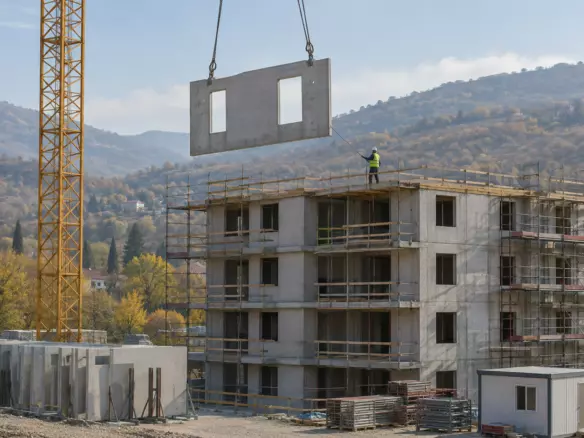
- Construction output and new housing supply will help determine whether prices continue moderating or resume faster growth
- Economic growth and employment rates will affect buyer confidence and purchasing power
- Immigration patterns continue influencing housing demand, particularly in major urban centers
- Government housing policies including potential interventions to improve affordability could reshape market dynamics
Investment Perspective
For current homeowners and property investors, the slower growth rate doesn’t necessarily signal declining values but rather a normalization after extraordinary gains. Properties purchased in recent years have likely appreciated substantially, and the current environment may represent an opportunity to leverage equity for upgrades or additional investments. The Dutch housing market has historically demonstrated resilience and long-term value appreciation, making real estate a cornerstone of household wealth building despite short-term fluctuations.
In Short
The Dutch housing market has entered a new phase characterized by record-high average prices exceeding €500.000 while simultaneously experiencing a significant slowdown in the rate of appreciation to 3.9 percent annually. This development represents a cooling from the overheated conditions of recent years, creating a more balanced environment where buyers have increased time to make decisions but still face substantial affordability challenges. The deceleration reflects broader economic factors including higher interest rates, increased supply, and more cautious buyer sentiment.
For those navigating the 2026 housing market, success will require strategic thinking and realistic expectations. While the slower growth provides some relief from the pressure-cooker atmosphere of previous years, the high baseline prices mean homeownership remains a significant financial commitment. Prospective buyers should thoroughly research regional variations, explore all available financing options, and consider properties that may not fit the traditional profile but offer value and potential. The market’s evolution suggests a return to more sustainable dynamics, though affordability will remain a central concern for Dutch housing policy and individual household planning for years to come.
Frequently Asked Questions
Why did Dutch home prices exceed €500.000 on average?
Dutch home prices have exceeded €500.000 due to years of strong demand coupled with limited housing supply, low interest rates during the pandemic period that boosted purchasing power, and continued population growth including immigration. These factors created sustained upward pressure on prices across most regions of the Netherlands.
Is now a good time to buy a house in the Netherlands?
The current market offers advantages and disadvantages for buyers. The slower price growth provides more stability and time for decision-making compared to previous years. However, high baseline prices and interest rates mean affordability remains challenging. Buyers with secure finances and long-term plans may find opportunities, particularly in less competitive markets outside major cities.
Will Dutch housing prices continue to increase?
While predictions are uncertain, most analysts expect continued but moderate price increases in the Dutch housing market. The 3.9 percent growth rate suggests a more sustainable trajectory than previous years. Future developments will depend on interest rates, construction activity, economic conditions, and government policy interventions.
What is causing the slowdown in Dutch housing price growth?
The slowdown results from multiple factors including higher mortgage interest rates reducing buyer purchasing power, increased housing construction adding supply, stricter lending requirements, and general economic uncertainty causing more cautious buyer behavior. These elements have collectively tempered the explosive growth seen in recent years.
How do Dutch housing prices compare to other European countries?
The Netherlands has among the highest average housing prices in Europe, with the €500.000 average significantly exceeding most other EU nations. Only Luxembourg and certain regions of countries like France and Germany have comparable or higher average prices. The Dutch price-to-income ratio also ranks among Europe’s highest, indicating particular affordability challenges.
What assistance is available for first-time homebuyers in the Netherlands?
First-time buyers in the Netherlands can access various support mechanisms including the National Mortgage Guarantee (NHG) which provides insurance for mortgages up to certain limits, potential tax advantages on mortgage interest, and some municipal programs offering assistance or affordable housing options. Eligibility and benefits vary based on income, property price, and location.

Join The Discussion