

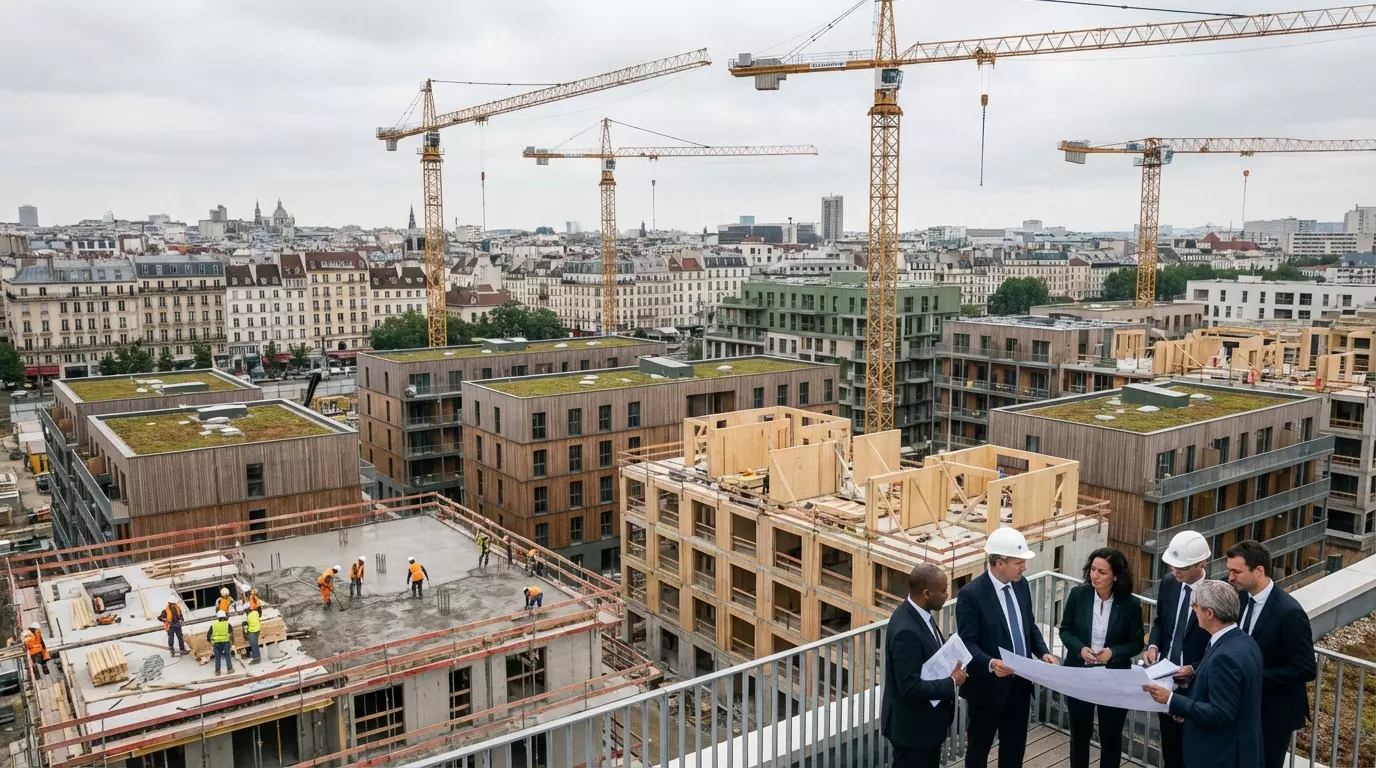
Europe’s Affordable Housing Crisis Gets New Fix
The European Union has unveiled a comprehensive strategy to tackle one of its most pressing challenges: the shortage of affordable housing across member states. This new initiative, presented by the European Commission, aims to address the housing crisis that has left millions of Europeans struggling to find decent, affordable accommodation. Unlike previous attempts that focused heavily on market interventions, this plan takes a notably different approach by steering clear of price controls and instead emphasizing sustainable development and increased housing supply.
The housing shortage has reached critical levels in many European cities, with property prices and rental costs spiraling beyond the reach of average citizens. According to recent data, housing costs now consume a disproportionate share of household income for many Europeans, particularly in urban centers. The European Commission recognizes that without significant intervention, this crisis threatens social cohesion, economic stability, and the overall quality of life for millions of people across the continent. This new plan represents a fundamental shift in how European policymakers approach housing affordability.
What’s Actually in the New Housing Plan?
The cornerstone of Europe’s affordable housing strategy revolves around increasing the supply of housing units rather than manipulating market prices. The plan proposes substantial investment in new construction projects, with a particular focus on social and affordable housing developments. Member states will receive financial support and technical assistance to accelerate building permits, streamline bureaucratic processes, and encourage both public and private sector participation in housing development. The emphasis is on creating more homes quickly while maintaining quality standards and environmental sustainability.
Additionally, the plan includes provisions for renovating existing housing stock to improve energy efficiency and livability. This dual approach of new construction and renovation aims to maximize the available housing supply while addressing climate concerns. The European Commission has allocated significant funding through various EU programs to support these initiatives, with particular attention given to regions experiencing the most acute housing shortages. The plan also encourages innovative construction methods, modular housing solutions, and the conversion of underutilized commercial spaces into residential units to accelerate the delivery of affordable homes.
No Rent Controls: A Surprising Policy Choice
Perhaps the most controversial aspect of the new housing plan is its explicit rejection of rent control mechanisms. While many housing advocates have long pushed for price caps as a quick solution to affordability issues, European policymakers have concluded that such measures often produce unintended negative consequences. The decision to exclude rent controls stems from extensive research showing that while they may provide short-term relief for existing tenants, they typically reduce the overall housing supply by discouraging new construction and property maintenance.
Instead of controlling prices directly, the European strategy focuses on addressing the root cause of high housing costs: insufficient supply. By removing regulatory barriers to construction, providing financial incentives for developers, and facilitating faster approval processes, the plan aims to flood the market with new housing options. This increased competition, according to the Commission’s economic analysis, should naturally moderate prices without the market distortions that rent controls create. Critics argue this approach may take longer to show results, but proponents maintain it offers a more sustainable long-term solution that won’t discourage investment in housing development.
How Will Regulation Shape Future Development?
While the plan avoids price controls, it doesn’t mean deregulation across the board. Instead, the European Commission is proposing smart regulation that facilitates rather than hinders housing development. This includes standardizing building codes across member states to reduce complexity for developers, implementing digital permitting systems to speed up approvals, and establishing clear timelines for planning decisions. The goal is to eliminate unnecessary bureaucratic obstacles that currently delay projects by months or even years, without compromising safety or environmental standards.
Environmental regulations will play a crucial role in shaping future housing developments under this plan. All new affordable housing projects must meet strict energy efficiency standards, contributing to the EU’s broader climate goals. This means incorporating renewable energy sources, using sustainable building materials, and designing homes that minimize carbon footprints. The plan also emphasizes mixed-use developments that integrate housing with commercial spaces, green areas, and public transportation links. According to research from the United Nations, sustainable urban planning is essential for creating livable, affordable communities. By setting these standards now, Europe aims to build housing that remains affordable not just in purchase or rental price, but also in ongoing energy and maintenance costs for decades to come.
The regulatory framework will also address land use policies, encouraging member states to identify and release public land for affordable housing projects. Many European cities have valuable publicly owned parcels that remain undeveloped or underutilized. The plan provides guidelines for converting these assets into affordable housing while ensuring fair value for public resources. Additionally, regulations will require a certain percentage of affordable units in new private developments in high-demand areas, creating mixed-income communities rather than concentrating poverty in specific neighborhoods. This integrated approach to regulation seeks to balance market freedom with social objectives, creating an environment where affordable housing can flourish without excessive government intervention in pricing mechanisms.
In Short
Europe’s new affordable housing plan represents a bold departure from traditional approaches to housing crises. By rejecting rent controls in favor of supply-side solutions, the European Commission is betting that increased construction and smart regulation will prove more effective than price manipulation. The strategy combines substantial financial investment, streamlined bureaucratic processes, and strict environmental standards to create a sustainable path toward housing affordability.
The success of this plan will depend on effective implementation across diverse member states, each with unique housing markets and political landscapes. While the approach may take longer to produce visible results compared to immediate price controls, it aims to address the fundamental supply shortage that drives housing unaffordability. As European cities continue to grow and housing demands increase, this comprehensive strategy could serve as a model for other regions struggling with similar challenges. The coming years will reveal whether this supply-focused, regulation-light approach can deliver on its promise of making decent housing accessible to all Europeans.
FAQ
What is Europe’s new affordable housing plan?
The European Commission’s affordable housing plan focuses on increasing housing supply through new construction and renovation projects, supported by EU funding and streamlined regulations, rather than implementing rent controls or price caps.
Why doesn’t the plan include rent controls?
Research shows that rent controls often reduce housing supply by discouraging new construction and property maintenance, leading to worse outcomes long-term despite providing short-term relief for some tenants.
How will the plan increase housing supply?
The strategy includes financial support for construction projects, faster permit approvals, conversion of commercial spaces to residential use, release of public land for development, and incentives for both public and private sector builders.
What environmental standards apply to new housing?
All new affordable housing must meet strict energy efficiency requirements, incorporate renewable energy sources, use sustainable materials, and minimize carbon footprints while integrating with public transportation and green spaces.
When will Europeans see results from this plan?
The supply-focused approach will take time to impact housing availability and prices, likely requiring several years of sustained implementation before significant market changes become evident across member states.
Will this plan work in all European countries?
Success depends on effective implementation tailored to each member state’s unique housing market, political environment, and regulatory framework, with the EU providing financial and technical support throughout the process.




Join The Discussion