

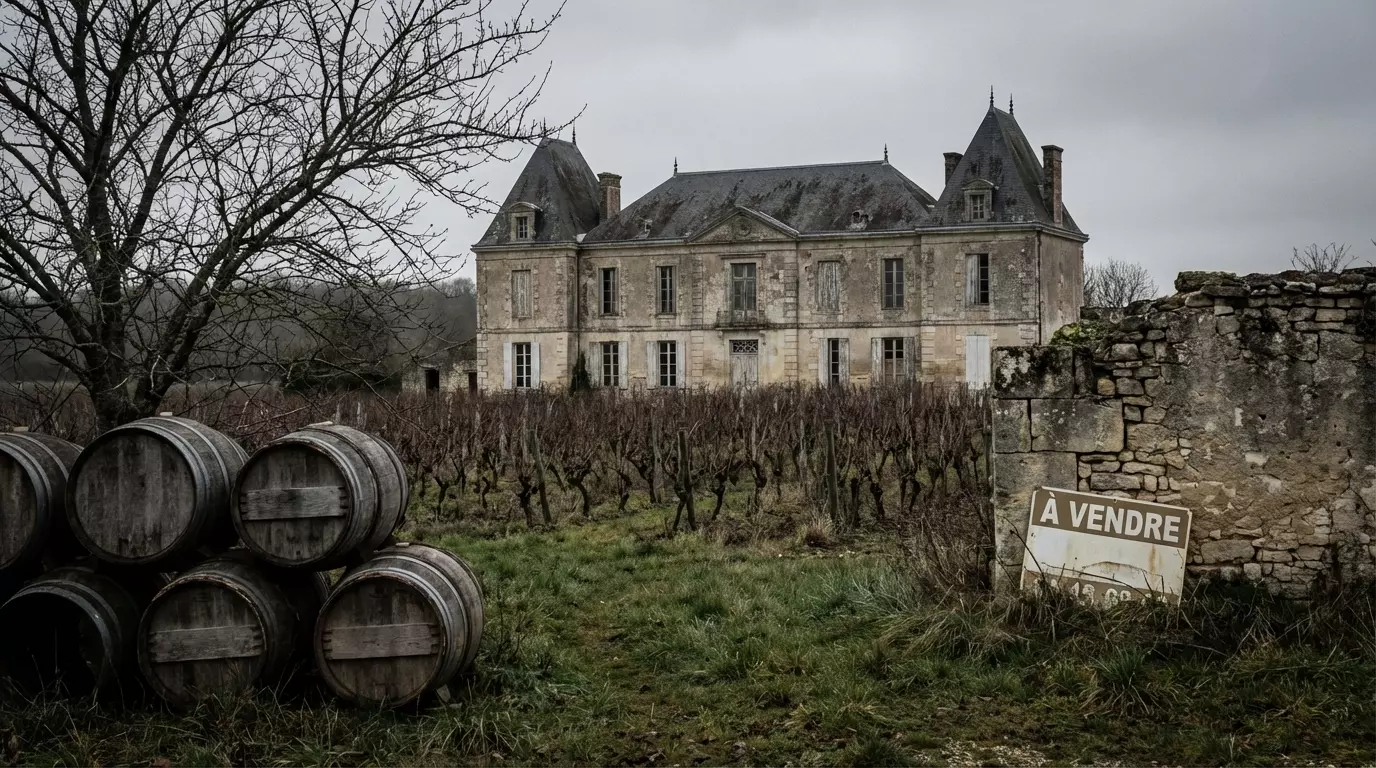
French Wine Estates Hit Rock Bottom Prices
France’s prestigious wine industry is experiencing an unprecedented downturn, creating a once-in-a-lifetime opportunity for international buyers seeking to own a piece of French viticultural history. The crisis has pushed property prices to their lowest levels in decades, with some estates selling for a fraction of their previous valuations. This dramatic shift in the market represents a perfect storm of challenges that have converged to destabilize one of France’s most iconic industries.
The collapse in prices stems from multiple interconnected factors plaguing the wine sector. Climate change has wreaked havoc on grape harvests, while shifting consumer preferences toward alternative beverages and spirits have dampened demand for traditional wines. Additionally, increased production costs, labor shortages, and international trade tensions have squeezed profit margins to unsustainable levels. These pressures have forced many generational winemakers to make the heartbreaking decision to sell properties that have been in their families for centuries, often at prices that would have been unthinkable just five years ago.
Foreign Buyers Flock to Struggling Vineyards
International investors and lifestyle buyers are capitalizing on France’s wine crisis, snapping up historic chateaus and vineyards at bargain prices. Wealthy purchasers from the United States, United Kingdom, China, and other nations are viewing these distressed sales as golden opportunities to acquire premium French real estate and potentially profitable wine businesses. The influx of foreign capital represents a dramatic transformation in ownership patterns within France’s traditional wine regions, where local families have typically dominated for generations.
Real estate agents specializing in wine properties report unprecedented interest from overseas buyers who see value in both the tangible assets and the prestige associated with French wine production. Some buyers are experienced vintners looking to expand their portfolios, while others are newcomers drawn by the romantic allure of chateau ownership and the lifestyle it represents. The Wine Market Council has noted this shift in ownership patterns as a significant trend reshaping the industry’s future. These transactions often include not just the land and buildings, but also existing inventory, equipment, and established brand names that carry centuries of heritage.
Crisis Forces Winemakers to Sell at Steep Cuts
The financial pressure on French winemakers has reached critical levels, with many estates operating at losses for consecutive years. Production costs have surged due to rising energy prices, increased labor expenses, and the need for climate adaptation measures in vineyards. Meanwhile, wholesale wine prices have stagnated or declined, creating an impossible squeeze that has pushed numerous producers toward insolvency. The crisis has been particularly acute in regions like Bordeaux, Burgundy, and the Loire Valley, where even prestigious appellations are not immune to market forces.
Traditional French banks have become increasingly reluctant to extend credit to struggling wine businesses, further accelerating the wave of distressed sales. Many winemakers find themselves with no choice but to accept offers well below their properties’ historical valuations just to escape mounting debts. Industry experts estimate that wine estate prices have dropped by 30 to 50 percent in some regions compared to peak values from a decade ago. This represents a generational wealth transfer and a fundamental restructuring of an industry that has been a cornerstone of French culture and economy for centuries. The International Organisation of Vine and Wine has documented these declining values as part of broader challenges facing European wine production.
Dream Chateaus Now Within Reach for Many
The dramatic price reductions have democratized access to French wine estate ownership, bringing properties within reach of buyers who previously could only dream of such acquisitions. Chateaus that once commanded prices of 5 to 10 million euros are now selling for 2 to 3 million euros, while smaller estates can be purchased for under one million euros. This pricing shift has opened the market to successful professionals, entrepreneurs, and affluent retirees seeking lifestyle changes or investment diversification opportunities.
However, prospective buyers should approach these opportunities with realistic expectations and thorough due diligence. Owning and operating a wine estate requires substantial ongoing investment, specialized knowledge, and commitment to a long-term business model. Many properties being sold come with aging infrastructure, outdated equipment, and business models that need complete overhauls to achieve profitability. Successful buyers typically either bring wine industry expertise or partner with experienced winemakers who can navigate the complex technical and regulatory requirements. Despite these challenges, the combination of reduced entry prices and potential for future appreciation makes French wine estates an attractive proposition for those willing to invest time, capital, and passion into revitalizing these historic properties.
Key Considerations for Potential Buyers:
- Financial requirements beyond purchase price: Renovation costs, equipment upgrades, and working capital
- Regulatory compliance: French agricultural laws, AOC regulations, and employment requirements
- Market access: Distribution channels and brand positioning strategies
- Climate adaptation: Investment in sustainable viticulture practices
- Cultural integration: Building relationships with local communities and suppliers
Price Comparison by Region:
| Wine Region | Peak Price Range (2010-2015) | Current Price Range (2024) | Decline Percentage |
|---|---|---|---|
| Bordeaux | €8-15 million | €4-8 million | 40-50% |
| Burgundy | €10-20 million | €6-12 million | 35-40% |
| Loire Valley | €3-6 million | €1.5-3 million | 45-50% |
| Provence | €5-10 million | €2.5-5 million | 45-50% |
| Languedoc | €1-3 million | €500k-1.5 million | 40-50% |
In Short
The crisis engulfing France’s wine industry has created extraordinary opportunities for foreign buyers to acquire historic estates at unprecedented discounts. While the circumstances forcing these sales are tragic for traditional winemaking families, they represent a market reset that could ultimately strengthen the industry by bringing fresh capital, new perspectives, and innovative approaches to centuries-old properties. The convergence of climate challenges, changing consumer preferences, and financial pressures has fundamentally altered the economics of wine production in France.
For potential buyers, these opportunities come with both significant rewards and substantial risks. Success requires more than just capital; it demands deep commitment, industry knowledge, and willingness to adapt traditional practices to modern market realities. Those who approach these investments with proper preparation, realistic expectations, and long-term vision may find themselves owning not just beautiful properties, but potentially profitable businesses positioned for future growth. The current crisis may well be remembered as a pivotal moment when French wine estates became accessible to a new generation of passionate owners committed to preserving and evolving this treasured aspect of French heritage.
FAQ
Why are French wine estates so cheap right now?
Multiple factors have converged to depress prices, including climate change impacts on harvests, declining wine consumption globally, increased production costs, and financial pressures forcing distressed sales. Many estates have operated at losses for several consecutive years, forcing owners to sell at significantly reduced prices.
Can foreigners legally buy wine estates in France?
Yes, foreigners can purchase wine estates in France without restrictions. However, operating a wine business requires compliance with French agricultural regulations, employment laws, and AOC designation requirements. Many foreign buyers work with local legal and agricultural advisors to navigate these complexities.
How much does it cost to maintain a French chateau and vineyard?
Annual operating costs vary widely based on property size and condition, but buyers should budget at least €200,000 to €500,000 annually for a mid-sized estate. This includes vineyard maintenance, winemaking operations, staff salaries, utilities, insurance, and property upkeep. Many estates require significant additional capital investment for renovations and equipment upgrades.
Are French wine estates profitable investments?
Profitability depends on numerous factors including location, brand strength, production quality, and management expertise. Many estates currently operate at losses, which is why they’re being sold. However, with proper investment, modern management practices, and effective marketing, some estates can achieve profitability within 5 to 10 years.
What regions offer the best value for wine estate purchases?
The Loire Valley and Languedoc regions currently offer some of the most attractive price-to-quality ratios. While less prestigious than Bordeaux or Burgundy, these regions produce excellent wines and have experienced similar price declines, making them accessible entry points for newcomers to French wine estate ownership.
Do I need wine industry experience to buy a French vineyard?
While experience is beneficial, it’s not mandatory. Many successful foreign buyers partner with experienced winemakers or hire qualified estate managers. However, prospective owners should have realistic expectations about the learning curve, time commitment, and financial investment required to operate a successful wine business.
Join The Discussion