

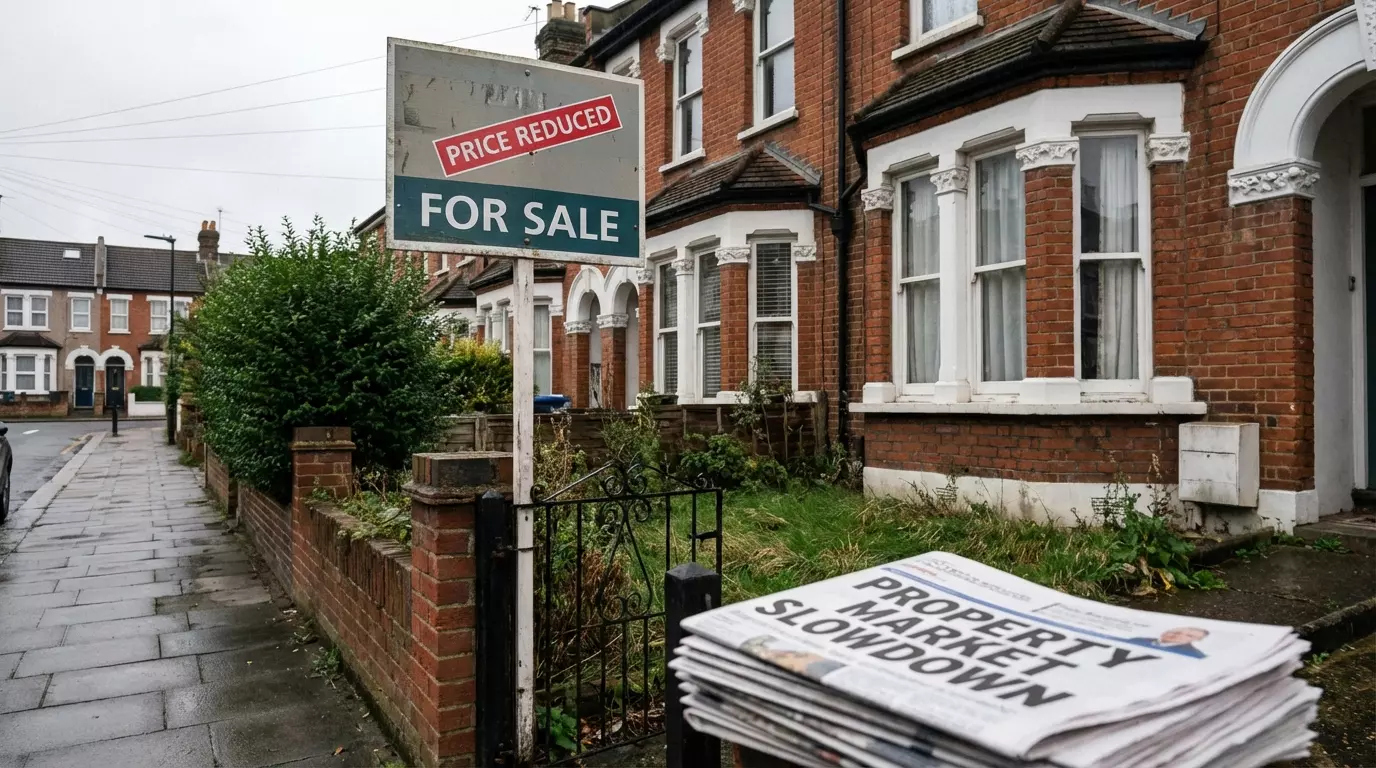
UK Housing Market Cools as Sellers Slash Prices
UK Housing Market Cools as Sellers Slash Prices
The United Kingdom’s property market is experiencing a notable shift as homeowners increasingly reduce their asking prices to attract buyers. Recent data reveals a cooling trend that has caught the attention of industry experts and potential buyers alike. This marks a significant departure from the heated market conditions that characterized much of the previous years, where properties often sold above asking price within days of listing.
The slowdown comes at a time when economic uncertainty and higher borrowing costs continue to weigh on consumer confidence. Estate agents across the country report that properties are staying on the market longer, forcing sellers to reconsider their pricing strategies. This adjustment period reflects a broader rebalancing of the housing market, where inflated expectations are meeting the reality of reduced purchasing power among potential buyers.
Price Cuts Continue for Second Consecutive Month
For the second month in a row, sellers across the UK have been compelled to lower their asking prices to generate interest from prospective buyers. This consecutive decline signals more than just a temporary blip in the market; it suggests a fundamental shift in the dynamics between supply and demand. The pattern of sustained price reductions indicates that the market correction many economists predicted is now underway, affecting regions from London to the Midlands and beyond.
The persistence of these price cuts demonstrates that sellers are becoming more realistic about current market conditions. Many homeowners who initially resisted lowering their prices are now acknowledging that the market has changed. This trend is particularly pronounced in areas that saw the most dramatic price increases during the pandemic property boom, where overvaluation has made properties particularly vulnerable to corrections. The willingness of sellers to negotiate reflects a growing understanding that holding out for pre-correction prices may result in even longer waiting times and potentially steeper reductions down the line.
What’s Behind the Sudden Market Slowdown?
Multiple factors have converged to create this cooling effect on the UK housing market. The primary driver remains the elevated mortgage rates that have made borrowing significantly more expensive than in recent years. When interest rates were at historic lows, buyers could afford larger mortgages for the same monthly payment. Now, with rates substantially higher, the same buyers find their purchasing power dramatically reduced, forcing them to either lower their budget or delay their purchase entirely.
Economic uncertainty also plays a crucial role in dampening market enthusiasm. Concerns about inflation, cost of living pressures, and job security have made potential buyers more cautious about taking on significant financial commitments. The Bank of England has maintained higher interest rates to combat inflation, which has had a direct impact on mortgage affordability. Additionally, stricter lending criteria introduced by financial institutions mean that some buyers who might have qualified for mortgages previously now find themselves unable to secure the financing they need. This combination of reduced affordability and heightened caution has created a perfect storm for market cooling.
Beyond financial factors, there’s also a psychological element at play. The rapid price increases of recent years created a fear of missing out (FOMO) that drove many buyers to act quickly and pay premium prices. As that urgency dissipates and buyers recognize they have more negotiating power, the market dynamics shift in favor of purchasers rather than sellers. This psychological reversal is perhaps as significant as the economic factors, as it fundamentally changes the negotiation landscape.
What This Means for Buyers and Sellers in 2026
For prospective buyers, the current market conditions present opportunities that haven’t existed in years. The increased negotiating power means buyers can take their time evaluating properties, conducting thorough inspections, and potentially securing better deals. Those who have been priced out of the market during the boom years may find that properties previously beyond their reach are now within their budget. However, buyers should remain mindful that while prices are adjusting, mortgage rates remain elevated, which means the overall cost of homeownership is still significant when considering the total amount paid over the life of a loan.
Looking ahead to 2026, sellers will need to adopt more realistic pricing strategies from the outset. Properties priced competitively from the start are more likely to attract serious buyers and sell within a reasonable timeframe. Overpricing in hopes of negotiating down is becoming an increasingly risky strategy that can result in properties becoming stale listings. For sellers, this means conducting thorough market research, potentially investing in property improvements that offer strong returns, and being prepared for a longer sales process than they might have experienced during the boom years. According to housing market analysis from the UK government, understanding local market conditions and pricing accordingly will be essential for successful sales in the coming months.
The shift also suggests that 2026 could be a year of stabilization rather than dramatic changes in either direction. While some experts predict further modest declines in certain overheated markets, others anticipate that prices will plateau as they reach levels more aligned with local incomes and economic fundamentals. First-time buyers, in particular, may benefit from this recalibration, though they’ll still face the challenge of saving for deposits while managing higher living costs. The key for both buyers and sellers will be flexibility and realistic expectations based on current market data rather than past trends.
In Short
The UK housing market is undergoing a significant cooling period, with sellers reducing their asking prices for the second consecutive month as they adjust to new market realities. This shift is driven by a combination of higher mortgage rates, economic uncertainty, and reduced buyer purchasing power. While this presents challenges for sellers who must recalibrate their expectations, it offers opportunities for buyers who have been waiting for more favorable conditions.
As we look toward 2026, the market appears to be moving toward a more balanced state where neither buyers nor sellers hold overwhelming advantage. Success in this environment will require both parties to approach transactions with realistic expectations, thorough research, and flexibility. The days of rapid price escalation and bidding wars are giving way to a more measured market where due diligence and strategic pricing determine outcomes. For those prepared to adapt to these new conditions, whether buying or selling, the evolving market presents viable paths to achieving their property goals.
Frequently Asked Questions
Why are UK house prices falling?
House prices are adjusting due to higher mortgage interest rates, reduced buyer affordability, and economic uncertainty. These factors have decreased demand while supply remains relatively stable, forcing sellers to lower prices to attract buyers.
Is now a good time to buy a house in the UK?
Current conditions favor buyers with increased negotiating power and more realistic pricing from sellers. However, higher mortgage rates mean borrowing costs remain elevated, so buyers should carefully calculate total ownership costs before committing.
How long will the housing market slowdown last?
Market experts predict the adjustment period could continue through 2026 as prices stabilize at levels more aligned with local economic conditions. The duration will largely depend on interest rate movements and broader economic factors.
Should sellers wait for the market to improve?
Waiting carries risks, as there’s no guarantee of near-term improvement. Properties priced competitively for current conditions typically sell faster than those priced based on previous market peaks. Realistic pricing from the start often yields better results.
Will house prices crash in the UK?
Most analysts don’t predict a crash but rather a gradual correction and stabilization. Unlike previous housing crises, lending standards remain relatively strict, and there’s no indication of the systemic issues that typically precipitate crashes.
How much should I reduce my asking price?
Price reductions should be based on comparable sales in your area, time on market, and buyer feedback. Reductions of 5-10% are common in cooling markets, but consulting with local estate agents familiar with your specific market is essential.
Are first-time buyers benefiting from the slowdown?
First-time buyers gain from increased negotiating power and more realistic prices, but they still face challenges with high mortgage rates and deposit requirements. The overall benefit depends on individual financial circumstances and local market conditions.
Which areas of the UK are most affected by price cuts?
Areas that experienced the most dramatic price increases during the pandemic boom are seeing the most significant corrections. This particularly affects commuter towns and areas that benefited from remote work trends that have since partially reversed.



Join The Discussion