

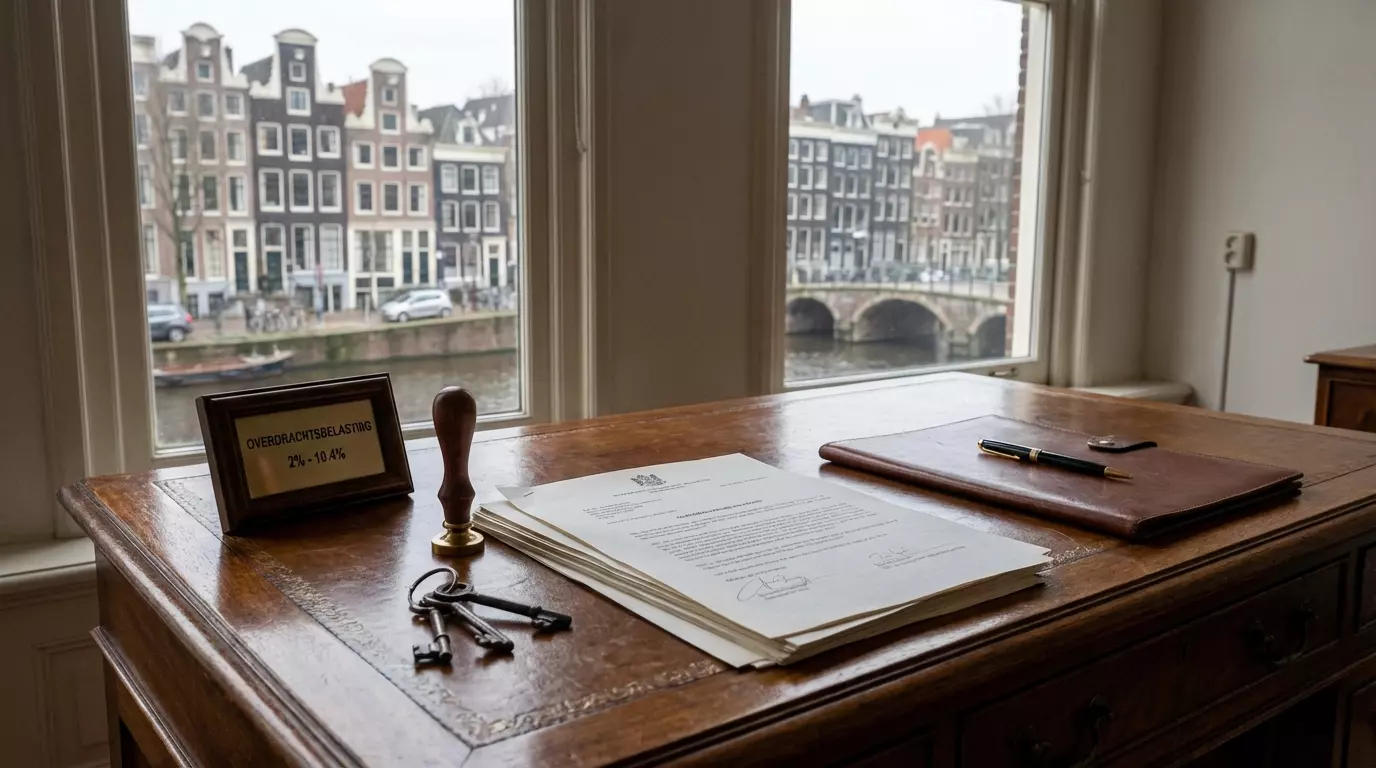
When purchasing property in the Netherlands, understanding the financial obligations that come with your investment is crucial. One of the most significant costs you’ll encounter is property transfer tax, known locally as “overdrachtsbelasting.” This tax applies to nearly all real estate transactions in the country and can substantially impact your budget. Whether you’re a first-time homebuyer, an experienced investor, or someone relocating to the Netherlands, knowing how this tax works will help you plan your finances effectively and avoid unexpected surprises during the buying process.
The Dutch government has implemented various rules and exemptions for property transfer tax, which have evolved over recent years to support different groups of buyers. From special rates for young first-time buyers to standard rates for investors and second-home purchasers, the system can seem complex at first glance. This comprehensive guide will walk you through everything you need to know about property transfer tax in the Netherlands, including who pays it, current rates, available exemptions, and the practical steps for calculating and submitting your payment.
What is Property Transfer Tax in the Netherlands?
Property transfer tax is a mandatory levy imposed by the Dutch government on the transfer of ownership of real estate located within the Netherlands. This tax applies whenever property changes hands, whether you’re buying a house, apartment, commercial building, or even land. The tax is calculated as a percentage of the property’s purchase price or its market value, whichever is higher. This system ensures that the government collects fair tax revenue based on actual property values rather than potentially undervalued sale prices.
The Dutch government uses property transfer tax as both a revenue source and a policy tool to influence the housing market. The tax has undergone several changes in recent years, particularly to make homeownership more accessible for younger buyers while ensuring that investors and those purchasing additional properties contribute appropriately. Understanding this tax is essential because it represents a significant upfront cost that must be paid shortly after completing your property purchase, and failure to pay on time can result in penalties and interest charges.
Who Needs to Pay Property Transfer Tax?
The buyer is responsible for paying property transfer tax in the Netherlands, not the seller. This applies to anyone purchasing real estate within Dutch territory, regardless of their nationality or residency status. Whether you’re a Dutch citizen, an EU national, or someone from outside Europe, if you’re buying property in the Netherlands, you’ll need to account for this tax in your budget. The obligation arises at the moment the notarial deed of transfer is signed, which is the official point when ownership legally changes hands.
Different categories of buyers face different tax obligations based on their circumstances. First-time homebuyers between the ages of 18 and 35 may qualify for exemptions or reduced rates, while investors purchasing rental properties or second homes face the standard rate. Companies and legal entities purchasing real estate also must pay property transfer tax, often at different rates than individual buyers. It’s important to note that even if you’re purchasing property through a mortgage lender who finances most of the purchase, you remain personally responsible for ensuring the transfer tax is paid correctly and on time to the Dutch Tax and Customs Administration.
Current Tax Rates and Exemptions Explained
As of the current regulations, the Netherlands operates a tiered property transfer tax system with multiple rates depending on the buyer’s situation. The standard rate for most property purchases is 10.4%, which applies to investors, those buying second homes, and commercial property purchases. However, for individuals purchasing a primary residence, a reduced rate of 2% applies, making homeownership significantly more affordable for those buying a place to live rather than invest.
The most advantageous provision exists for first-time buyers aged 18 to 35 who are purchasing their primary residence. These buyers can benefit from a complete exemption on properties valued up to €510,000, meaning they pay zero transfer tax on homes below this threshold. For portions of the property value exceeding €510,000, the standard 2% rate applies only to the amount above this limit. This exemption represents a substantial saving, potentially worth over €10.000 for eligible buyers. However, strict conditions apply: you must not have owned a home before, you must be within the age range, and you must intend to live in the property as your main residence. If you sell the property within six months or fail to register it as your primary address, you may be required to repay the exempted tax. According to official government sources, these measures aim to support young people entering the housing market while generating appropriate revenue from investment purchases.
How to Calculate and Pay Your Transfer Tax
Calculating your property transfer tax is straightforward once you know which rate applies to your situation. Simply multiply the property’s purchase price (or market value if higher) by the applicable percentage. For example, if you’re 32 years old buying your first home for €400,000, you would pay €0 thanks to the first-time buyer exemption. However, if you’re purchasing a second property or investment property at the same price, you would owe €41.600 (€400.000 × 10.4%). For those buying a primary residence who don’t qualify for the exemption, the calculation would be €8.000 (€400.000 × 2%).
The payment process requires you to file a tax return with the Dutch Tax and Customs Administration, typically handled by your notary who manages the property transfer. You must submit the return and pay the tax within 24 hours after signing the notarial deed of transfer, though in practice, notaries usually arrange this immediately. Payment can be made through bank transfer to the tax authority’s designated account. Your notary will provide you with the necessary forms and payment details, and most notaries include this service as part of their overall fee structure. It’s crucial to ensure accurate calculation and timely payment, as late payments incur interest charges and potential penalties. Keep all documentation related to your transfer tax payment, as you may need it for future tax filings or if questions arise about your property ownership. The Dutch Tax Administration provides additional resources and guidance for those who need clarification on their specific situation.
Frequently Asked Questions
Can I get a refund if I overpay property transfer tax?
Yes, if you’ve paid too much transfer tax, you can request a refund from the Dutch Tax and Customs Administration. You must submit a request within five years of the payment date, providing documentation that proves the overpayment.
What happens if I’m 35 when I start looking but turn 36 before signing?
The age requirement is based on your age at the moment the notarial deed is signed. If you turn 36 before signing, you won’t qualify for the first-time buyer exemption, even if you were 35 when you made the offer.
Does property transfer tax apply to inherited property?
No, property transfer tax does not apply when you inherit real estate. However, inheritance tax may apply depending on your relationship to the deceased and the value of the estate.
Can I include transfer tax in my mortgage?
Some mortgage lenders allow you to include transfer tax in your mortgage amount, but this depends on the loan-to-value ratio and the lender’s policies. This increases your total loan and monthly payments but reduces upfront costs.
What if I buy property with my partner?
If both partners qualify for the first-time buyer exemption (both aged 18-35 and first-time buyers), the exemption applies to the entire property. If only one qualifies, the situation becomes more complex and may require professional tax advice.
Are there exemptions for energy-efficient homes?
Currently, there are no specific transfer tax exemptions based solely on a property’s energy efficiency rating, though this has been discussed in policy circles as a potential future incentive.
In Short
Property transfer tax is an unavoidable cost when purchasing real estate in the Netherlands, but understanding the system helps you plan effectively and potentially save thousands of euros. The Dutch government has created a progressive structure that supports young first-time buyers with generous exemptions while maintaining higher rates for investors and those purchasing additional properties. With rates ranging from 0% for eligible first-time buyers to 10.4% for investment properties, knowing which category you fall into is essential for accurate budgeting.
The key to successfully navigating property transfer tax is preparation and awareness of the rules that apply to your specific situation. Work closely with your notary, who will guide you through the calculation and payment process, and ensure you meet all deadlines to avoid penalties. Whether you’re benefiting from the first-time buyer exemption or paying the full investment rate, factoring this tax into your overall property purchase budget from the beginning will help ensure a smooth transaction. Remember that tax regulations can change, so always verify current rates and exemptions with official sources or professional advisors before finalizing your property purchase.

Join The Discussion