

Italian Buyers Turn to Affordable Homes in 2025
The Italian property market is experiencing a significant transformation as buyers increasingly prioritize affordability over luxury features. The average budget for property searches has declined notably throughout 2025, signaling a clear shift in buyer behavior. This trend reflects broader economic pressures affecting households across the country, forcing potential homeowners to recalibrate their expectations and focus on more modest properties.
The changing landscape of Italy’s housing market reveals a pragmatic approach from buyers who are adapting to current economic realities. While the dream of owning a spacious villa or a renovated historic apartment remains appealing, the practical considerations of mortgage rates, living costs, and economic uncertainty have pushed many to seek properties within more conservative price ranges. This shift is not merely a temporary adjustment but appears to represent a fundamental change in how Italians approach property ownership in the current economic climate.
Budget Constraints Drive Property Market Shift
Data from Idealista’s platform shows that the average search budget for properties in Italy dropped from €224.000 in January 2025 to €217.000 by November of the same year. This €7.000 decrease represents a 3.1% decline and marks a reversal of the upward trend seen in previous years. The reduction in search budgets is particularly striking when compared to the steady increases observed between 2020 and 2023, when buyers consistently raised their price expectations in response to rising property values and post-pandemic demand.
The decline in buyer budgets is directly linked to several economic factors affecting Italian households. Rising interest rates implemented by the European Central Bank to combat inflation have made mortgages more expensive, reducing the purchasing power of potential buyers. Additionally, increased living costs, stagnant wage growth in many sectors, and general economic uncertainty have forced families to be more conservative with their property investments. These pressures have created a market where affordability has become the primary concern, overtaking considerations like location prestige or property size.
Demand Grows for Lower-Priced Italian Real Estate
The shift toward affordable housing is evident across different regions of Italy, though the impact varies significantly by location. Major cities like Milan and Rome, which traditionally commanded premium prices, are seeing buyers extend their searches to peripheral neighborhoods and surrounding municipalities where property values remain more accessible. Meanwhile, smaller cities and rural areas are experiencing renewed interest from buyers who previously would have focused exclusively on metropolitan centers.
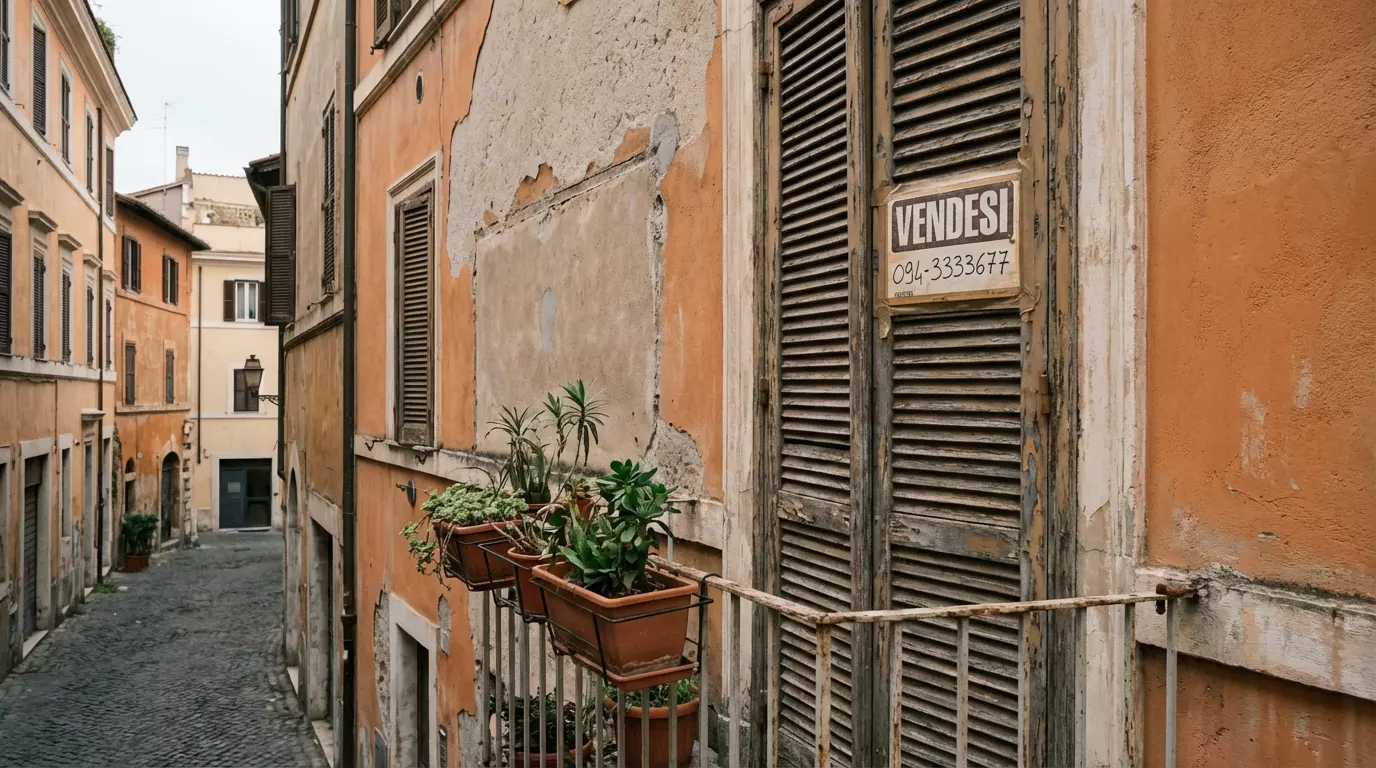
Properties priced below €150.000 have seen a notable increase in search activity, with buyers showing particular interest in apartments requiring renovation or properties in less central locations. This segment of the market, once overlooked by many buyers aiming for move-in-ready homes, now represents a viable entry point for first-time buyers and young families. The willingness to compromise on immediate comfort in exchange for ownership reflects a strategic approach to property investment, where buyers view renovation potential as an opportunity rather than a burden.
Economic Pressures Reshape Housing Preferences
The changing priorities of Italian property buyers extend beyond simple price considerations to encompass a broader reevaluation of what constitutes value in real estate. Energy efficiency has emerged as a crucial factor, with buyers increasingly aware that lower purchase prices can be offset by high utility costs in older, poorly insulated properties. According to European Union energy performance regulations, properties with better energy ratings not only reduce monthly expenses but also maintain higher resale values, making them more attractive despite potentially higher initial costs.
First-time buyers, who represent a significant portion of the market seeking affordable properties, face particular challenges in the current environment. Many young Italians are delaying property purchases or adjusting their expectations dramatically compared to previous generations. The combination of student debt, precarious employment contracts, and high property prices relative to income has created a generation of buyers who must be exceptionally strategic in their property searches. This demographic shift is influencing the types of properties being developed, with increased demand for smaller, more efficient units that offer lower entry prices without sacrificing quality of life.
Regional Variations in Affordability Trends
The impact of falling budgets varies considerably across Italy’s diverse regions, creating distinct local markets with unique characteristics. Northern cities like Milan, Turin, and Bologna continue to command premium prices, but even these markets are seeing buyers push further into suburban areas or consider smaller properties than they might have a few years ago. The average search budget in Milan, while still among the highest in the country, has shown signs of plateauing as buyers reach the limits of their financial capacity.
Southern regions and islands like Sicily and Sardinia present different opportunities for budget-conscious buyers. These areas have traditionally offered lower property prices, and the recent trend toward remote work has made them increasingly attractive to buyers who no longer need to live near major employment centers. Towns in regions like Puglia, Calabria, and inland Sicily are experiencing interest from both domestic and international buyers seeking affordable properties with character. Some municipalities have even introduced incentive programs offering properties for symbolic prices in exchange for renovation commitments, further expanding options for buyers with limited budgets.
The Role of Property Condition in Buyer Decisions
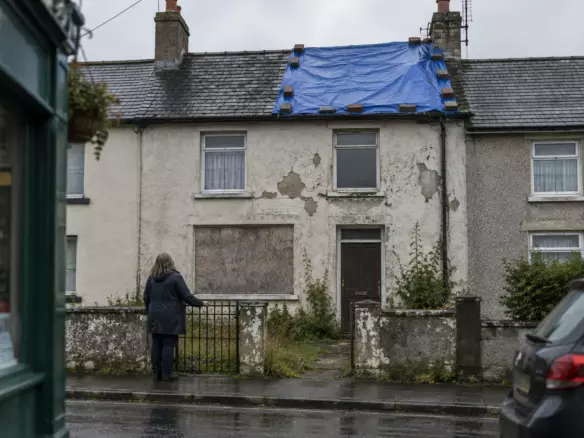
As budgets tighten, Italian buyers are becoming more flexible regarding property condition, with many willing to take on renovation projects to secure ownership at affordable prices. Properties advertised as needing restoration or modernization, which might have struggled to find buyers during more prosperous times, are now receiving serious consideration. This shift has created opportunities for buyers with renovation skills or access to affordable contractors, though it also presents risks for those who underestimate the costs and complexities of property restoration.
The growing acceptance of fixer-uppers has implications for Italy’s historic building stock, much of which requires ongoing maintenance and modernization. Buyers entering the market with renovation in mind often discover that Italian bureaucracy and building regulations can complicate even straightforward projects. However, various regional and national incentive programs, including tax deductions for energy-efficient renovations and seismic improvements, can offset some costs. These programs have become increasingly important tools for buyers trying to balance affordability with the desire for comfortable, modern living spaces.
Market Predictions and Future Outlook
Real estate analysts predict that the trend toward affordable housing will continue throughout 2025, with little indication that buyer budgets will increase significantly in the near term. Economic forecasts suggest that interest rates will remain elevated compared to the historic lows of recent years, maintaining pressure on mortgage affordability. Unless wage growth accelerates substantially or property prices decline more dramatically, buyers will likely continue prioritizing affordability over other considerations.
The long-term implications of this shift could reshape Italy’s property market fundamentally. Developers may respond by focusing more on affordable housing projects rather than luxury developments, while existing homeowners might need to adjust their price expectations to align with current buyer capacity. For the broader Italian economy, increased accessibility to property ownership could have positive effects, enabling younger generations to build wealth through real estate and potentially stimulating related sectors like construction, furniture, and home improvement. However, the transition period presents challenges for sellers who purchased during peak market conditions and now find fewer buyers able to meet their asking prices.
Frequently Asked Questions
What is the average property search budget in Italy for 2025?
Based on late 2025 data, the average property search budget in Italy has fallen to approximately €217,000, down from €224.000 at the beginning of 2025. This represents a 3.1% decrease and indicates that buyers are adjusting their expectations in response to economic pressures and higher borrowing costs.
Which Italian regions offer the most affordable property options?
Southern regions including Calabria, Puglia, Sicily, and Sardinia typically offer the most affordable property options in Italy. Additionally, inland areas and smaller towns throughout central Italy provide opportunities for budget-conscious buyers, often with properties priced well below the national average.
How have rising interest rates affected the Italian property market?
Rising interest rates have significantly impacted buyer purchasing power by increasing monthly mortgage payments. This has forced many potential buyers to lower their budget expectations, extend their property searches to more affordable areas, or delay purchases altogether until economic conditions improve.
Are first-time buyers able to enter the Italian property market in 2025?
First-time buyers face considerable challenges but can still enter the market by focusing on affordable properties, considering renovation projects, exploring less central locations, and taking advantage of first-time buyer incentives where available. Flexibility and realistic expectations are essential for success in the current market environment.
What property features are buyers prioritizing in the current market?
Beyond affordability, buyers are increasingly prioritizing energy efficiency to minimize long-term costs, good transport connections to reduce commuting expenses, and properties with renovation potential that allow them to add value over time. Practical considerations have largely replaced luxury features in buyer priorities.
In Short
The Italian property market is undergoing a significant transformation as buyers adapt to economic realities by prioritizing affordable homes over premium properties. With average search budgets declining by 3.1% throughout 2025, reaching €217.000 by year’s end, the trend clearly indicates that affordability has become the dominant concern for property seekers across Italy. This shift reflects broader economic pressures including elevated interest rates, increased living costs, and wage stagnation that have collectively reduced buyer purchasing power.
The implications of this market shift extend beyond simple price adjustments, influencing where people choose to live, what types of properties they consider, and how they approach the buying process. Regional variations mean that opportunities exist throughout Italy for budget-conscious buyers, particularly in southern regions and smaller towns. As this trend continues into 2025, both buyers and sellers must adapt their strategies to align with the new market reality where affordability trumps luxury and practical considerations outweigh aspirational features.


Join The Discussion