

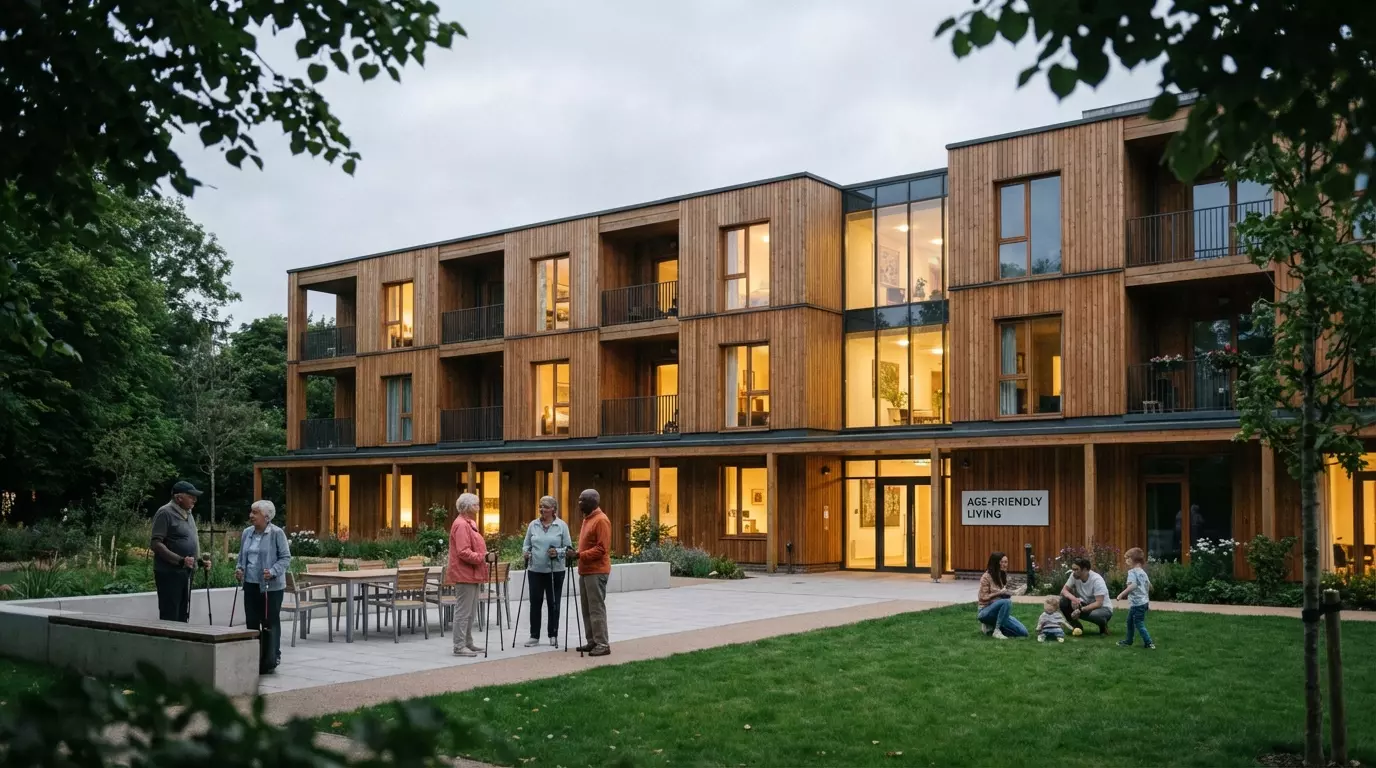
The Silver Tsunami: Real Estate’s New Reality
The global population is experiencing an unprecedented demographic shift that’s reshaping the real estate landscape. By 2050, the number of people aged 60 and above is projected to reach 2.1 billion worldwide, effectively doubling from current figures. This phenomenon, often referred to as the “silver tsunami,” presents both challenges and opportunities for real estate investors and developers. Bouwinvest, a leading Dutch real estate investment management company, has recognized this trend early and is actively repositioning its portfolio to meet the evolving needs of an aging population.
The implications of this demographic transformation extend far beyond simple housing needs. As people live longer and healthier lives, they’re demanding living spaces that support independence while providing access to care when needed. Traditional retirement homes and nursing facilities no longer meet the expectations of modern seniors who want to maintain their autonomy and quality of life. This shift is forcing real estate professionals to completely rethink how they design, build, and manage properties for older adults, creating a new category of age-friendly real estate that bridges the gap between independent living and full-care facilities.
Designing Homes for Aging in Place
The concept of aging in place has become central to modern senior housing design. Rather than forcing elderly residents to move multiple times as their needs change, forward-thinking developers are creating adaptable spaces that can evolve with their occupants. These homes incorporate universal design principles from the ground up, featuring wider doorways for wheelchair access, zero-threshold entries, lever-style door handles, and bathrooms equipped with grab bars and walk-in showers. Smart home technology is also playing an increasingly important role, with voice-activated controls, automated lighting, and fall detection systems becoming standard features in age-friendly properties.
Bouwinvest’s approach to aging in place goes beyond physical modifications to consider the social and psychological aspects of senior living. Their properties emphasize community spaces that encourage social interaction and combat the isolation that often affects older adults. Common areas include gardens, workshops, fitness centers, and communal dining spaces where residents can maintain active social lives. The company understands that successful aging in place isn’t just about accessibility features but creating environments where seniors can thrive emotionally and socially. This holistic approach has proven attractive to both residents and investors, as properties that support comprehensive wellbeing tend to maintain higher occupancy rates and resident satisfaction scores.
Healthcare Integration in Modern Buildings
The integration of healthcare services directly into residential buildings represents a paradigm shift in senior housing development. Rather than requiring elderly residents to travel to medical appointments or wait for home health visits, modern senior-focused properties are bringing healthcare to the doorstep. This model includes on-site medical clinics, physical therapy facilities, and wellness centers staffed by healthcare professionals. Some developments have partnered with local hospitals and healthcare providers to offer telemedicine services, regular health screenings, and preventive care programs right within the building.
Bouwinvest has been at the forefront of this healthcare integration trend, recognizing that the line between housing and healthcare is becoming increasingly blurred. Their properties often feature dedicated spaces for visiting nurses, occupational therapists, and other healthcare providers who can deliver services without residents needing to leave their homes. This approach not only improves health outcomes by making care more accessible but also reduces healthcare costs by emphasizing preventive care and early intervention. The model has proven particularly valuable during the COVID-19 pandemic, when minimizing external visits became crucial. By embedding healthcare services within residential settings, these properties offer peace of mind to both residents and their families while creating additional revenue streams for property owners.
Investment Opportunities in Senior Housing
The senior housing sector is emerging as one of the most promising areas for real estate investment in the coming decades. Market analysts project that demand for age-appropriate housing will far outstrip supply in most developed nations, creating significant opportunities for investors who position themselves early. The sector offers several advantages, including relatively stable occupancy rates, demographic tailwinds that ensure long-term demand, and the potential for premium pricing as seniors often have accumulated wealth and are willing to pay for quality accommodations that meet their specific needs.
Bouwinvest’s investment strategy focuses on several key segments within the senior housing market. These include independent living communities for active seniors, assisted living facilities for those requiring some daily support, and specialized memory care units for residents with dementia or Alzheimer’s disease. The company has also identified opportunities in renovating existing properties to make them more age-friendly, recognizing that new construction alone cannot meet the massive demand. Their portfolio diversification across different care levels and geographic markets helps mitigate risk while capturing growth across the entire senior housing spectrum. For institutional investors and private equity firms, the sector offers attractive risk-adjusted returns, with many properties generating stable cash flows through long-term lease agreements and government-supported payment structures in some markets.
Technological Innovation and Smart Aging
Technology is revolutionizing how seniors live independently while remaining connected to care networks and loved ones. Modern senior housing incorporates Internet of Things (IoT) devices that monitor daily activities, detect falls, track medication adherence, and alert caregivers to potential health issues before they become emergencies. Wearable devices can monitor vital signs continuously, while smart sensors throughout the home can detect unusual patterns that might indicate a problem. These technologies provide an invisible safety net that allows seniors to maintain their independence while giving family members peace of mind.
The adoption of technology in senior housing also addresses the practical challenge of caregiver shortages facing many developed nations. By automating routine monitoring and administrative tasks, technology allows human caregivers to focus on providing personal care and emotional support where it’s most needed. Video calling systems help combat social isolation by keeping residents connected with family and friends, while virtual reality programs offer cognitive stimulation and entertainment. Bouwinvest and other forward-thinking developers are investing heavily in these technologies, understanding that the seniors of tomorrow will be more tech-savvy than previous generations and will expect digital amenities as standard features in their living environments.
Sustainability and Age-Friendly Design
Environmental sustainability and age-friendly design are increasingly converging in modern senior housing developments. Energy-efficient buildings with excellent indoor air quality, natural lighting, and temperature control create healthier living environments particularly beneficial for older adults who may have respiratory issues or other health sensitivities. Green spaces, rooftop gardens, and outdoor areas provide opportunities for gentle exercise and connection with nature, which research shows can improve both physical and mental health outcomes for seniors.
Sustainable building practices also make economic sense for long-term investors like Bouwinvest. Properties with lower operating costs through energy efficiency can offer more competitive pricing or higher margins while reducing environmental impact. Many senior housing developments are pursuing green building certifications, incorporating solar panels, rainwater harvesting systems, and sustainable materials. These features appeal to environmentally conscious seniors and their families while future-proofing properties against rising energy costs and increasingly stringent environmental regulations. The combination of sustainability and accessibility creates properties that serve both current residents and future generations while maintaining their value in an evolving real estate market.
Policy and Regulatory Considerations
Government policies and regulations play a crucial role in shaping the senior housing market. Many countries offer tax incentives, subsidies, or favorable financing terms for developers who build age-friendly housing or retrofit existing properties. Zoning regulations are evolving to accommodate mixed-use developments that combine residential units with healthcare facilities and community services. Understanding and navigating this regulatory landscape is essential for investors looking to enter the senior housing market, as compliance requirements can significantly impact project feasibility and returns.
Bouwinvest works closely with policymakers and regulators to help shape frameworks that support quality senior housing development. The company advocates for regulations that balance resident safety and wellbeing with operational flexibility and financial viability. In some markets, partnerships between private developers and public housing authorities are creating innovative financing models that make age-friendly housing accessible to seniors across different income levels. These public-private partnerships can reduce investment risk while expanding the addressable market and fulfilling important social objectives. As populations age, governments worldwide are recognizing that adequate senior housing is not just a private market concern but a public policy priority requiring coordinated action from multiple stakeholders.
In Short
The aging of the global population represents one of the most significant demographic and economic shifts of our time, fundamentally transforming real estate markets worldwide. Companies like Bouwinvest are leading the way in reimagining residential properties to meet the complex needs of older adults who want to maintain independence while having access to care and community. This new approach to senior housing integrates thoughtful design, healthcare services, cutting-edge technology, and sustainable building practices to create environments where people can age with dignity and quality of life.
For real estate investors, the senior housing sector offers compelling opportunities driven by undeniable demographic trends and undersupplied markets. Success in this space requires more than simply building apartments for older people. It demands a deep understanding of the physical, social, emotional, and healthcare needs of aging populations, along with the flexibility to adapt properties as those needs evolve. As the silver tsunami continues to reshape our communities, those who invest thoughtfully in age-friendly real estate today will be well-positioned to meet tomorrow’s demand while making a meaningful positive impact on how we all experience our later years.
Frequently Asked Questions
What is aging in place and why is it important?
Aging in place refers to the ability of seniors to live in their own homes or communities safely and independently as they grow older, rather than moving to institutional care facilities. It’s important because most seniors prefer to maintain their independence and familiar surroundings, which contributes to better mental health and quality of life.
How is senior housing different from traditional retirement homes?
Modern senior housing focuses on independence, community, and integrated healthcare services rather than institutional care. These properties feature adaptable designs, smart technology, wellness programs, and social spaces that support active lifestyles while providing access to care when needed.
What makes a property age-friendly?
Age-friendly properties incorporate universal design principles including wheelchair accessibility, no-step entries, lever door handles, walk-in showers, good lighting, non-slip flooring, and smart home technology. They also feature community spaces, nearby healthcare services, and locations with access to transportation and amenities.
Is senior housing a good investment opportunity?
Senior housing is considered a strong investment opportunity due to demographic trends showing rapidly increasing demand, relatively stable occupancy rates, and the willingness of seniors to pay premium prices for quality accommodations. The sector offers diversification across different care levels and geographic markets.
How is technology being used in senior housing?
Technology in senior housing includes fall detection systems, health monitoring devices, smart home controls, telemedicine platforms, medication reminders, and social connectivity tools. These technologies help seniors maintain independence while providing safety monitoring and access to care.
What role does sustainability play in senior housing?
Sustainable design creates healthier living environments through better air quality, natural lighting, and temperature control, which particularly benefits older adults. Energy-efficient buildings also reduce operating costs and appeal to environmentally conscious residents while future-proofing properties against rising energy costs.
SEO Keywords: senior housing investment opportunities, age-friendly real estate design, aging in place solutions


Join The Discussion